Промышленные системы связи поддерживают работу железных дорог и метро, предоставляя пассажирам, сотрудникам станций, ремонтным бригадам, машинистам и диспетчерам надёжные способы обмена информацией в повседневной работе и при чрезвычайных ситуациях. Полная железнодорожная система связи объединяет защищённые телефоны, пассажирские пункты помощи, диспетчерские консоли, серверы, усилители, громкоговорители, сигнализацию и средства мониторинга по всей сети.
Каждое место создаёт свои трудности для связи. Платформы открыты для публики и шумны, тоннели сыры и труднодоступны, диспетчерские центры обрабатывают много вызовов одновременно, а в ремонтных зонах оборудование подвергается пыли, ударам и постоянному использованию. Грамотный проект подбирает устройство под условия места установки и связывает каждый вызов и объявление с согласованным порядком реагирования.
Зачем железнодорожным сетям специализированная связь
Железные дороги работают непрерывно и зависят от тесной координации решений. Задержка поезда, неисправность питания, происшествие с пассажиром, пожарный сигнал, перекрытый путь или ремонтные работы могут за несколько минут вовлечь несколько команд. Под землёй мобильное покрытие бывает слабым, а обычные офисные телефоны трудно услышать или легко повредить. Стационарное железнодорожное оборудование связи обеспечивает известные пункты вызова, предсказуемую маршрутизацию и прямое соединение с ответственными за действия людьми.
Потребности в связи по месту установки
| Место | Основная потребность | Типовое оборудование |
| Станция и вестибюль | Координация сотрудников и помощь пассажирам | Служебные телефоны, пункты помощи, настольные переговорные аппараты, громкоговорители оповещения |
| Платформа и полоса вдоль пути | Быстрое информирование при шуме и меняющейся погоде | Всепогодные промышленные телефоны, аварийные переговорные аппараты, маяки, рупорные громкоговорители |
| Тоннель | Надёжная связь при неисправностях, эвакуации и обслуживании | Защищённые телефоны, устройства вызова одной кнопкой, усиленные звонки, распределённое громкоговорящее оповещение |
| Диспетчерский центр | Маршрутизация, приоритеты, запись и диспетчеризация вызовов | Операторские консоли, серверы IP PBX или переговорной связи, управляющее ПО |
| Депо и мастерская | Координация рядом с оборудованием, при осмотре и ремонте | Трубки для шумной среды, станции громкой связи, световые и звуковые сигналы |
Станции и вестибюли
На станциях связь нужна для обслуживания пассажиров, безопасности, уборки, устранения неисправностей оборудования, управления потоками людей и сбоев движения. Служебные телефоны соединяют билетные зоны, станционные офисы, технические помещения и операционный центр. Общественные пункты помощи должны быть заметными, простыми в использовании и напрямую соединять с местом, где дежурит персонал. Модели громкой связи повышают доступность для пассажиров, которым неудобно пользоваться трубкой, а индукционная петля помогает пользователям совместимых слуховых устройств.
Система связи метро также должна связывать вызовы с объявлениями. При происшествии оператору нужен разборчивый голосовой канал с сообщившим человеком и возможность дать адресные инструкции либо объявление по всей станции.
Платформы и зоны вдоль пути
На платформах сочетаются сильный фоновый шум, публичный доступ, вибрация, вода при уборке, пыль и возможное грубое обращение. Железнодорожному промышленному телефону в такой зоне нужны прочный корпус, надёжное крепление, долговечные органы управления и аудиокомпоненты, подходящие для местного шума. Трубка с шумоподавляющим микрофоном помогает сотрудникам общаться рядом с проходящими поездами. Аварийный аппарат громкой связи даёт пассажирам возможность вызвать оператора одной кнопкой.
Световые индикаторы, громкие звонки и расположенные рядом маяки усиливают звуковые сигналы. Устройство также должно сообщать диспетчерской, на какой платформе или в какой зоне вдоль пути оно находится.
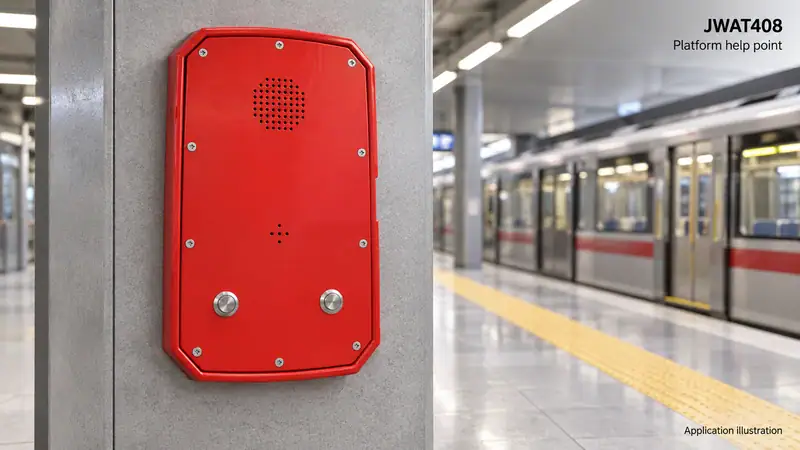
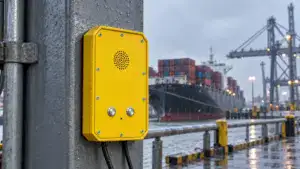
Для пассажирских пунктов помощи рассмотрите промышленный аварийный переговорный аппарат громкой связи JWAT408. Две программируемые клавиши поддерживают функции вызова с понятными обозначениями. При запросе предложения укажите место ответа, назначение кнопок, требования доступности и необходимую конфигурацию SIP или аналоговую.
Тоннели и подземные участки
Тоннели относятся к наиболее сложным местам при проектировании железнодорожной аварийной связи. Большие расстояния, ограниченное мобильное покрытие, влага, пыль, воздушные потоки, реверберация и шум ремонтных работ снижают надёжность. Аварийные телефоны, размещённые на продуманных интервалах, создают стационарные пункты связи для машинистов, путевых работников, аварийных служб и эвакуационных групп. Вызов одной кнопкой или быстрый набор сокращают число действий, когда пользователь в перчатках или действует под давлением.
Телефонная связь и громкоговорящее оповещение должны поддерживать единый план реагирования. Вызов из тоннеля может уведомить диспетчерский центр, определить место вызова, открыть двусторонний разговор и побудить к объявлению в нужной зоне эвакуации. При наличии требований проекта интеграция видеонаблюдения, сигнализации и контроля доступа даёт оператору дополнительный контекст.
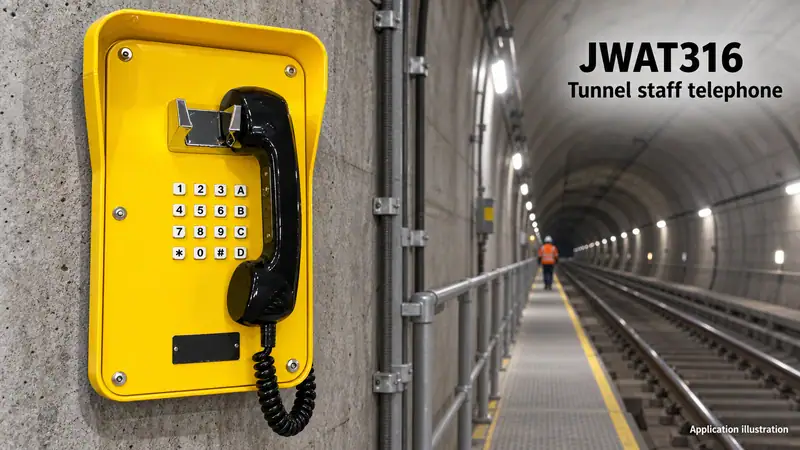
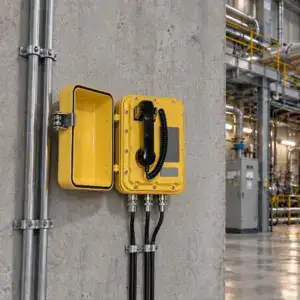
Телефон аналоговый водозащищённый наружный промышленный JWAT316 объединяет литой алюминиевый корпус, трубку и шумоподавляющий микрофон. Для подбора в тоннель сообщите фоновый шум, температуру, воздействие при уборке, длину кабеля и параметры PBX. Проверьте заказанную степень защиты и вариант шнура по проектной спецификации.
Диспетчерские центры
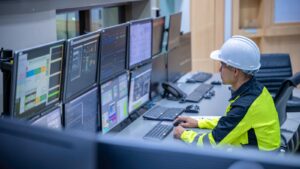
Диспетчерский центр превращает отдельные устройства в рабочую систему. Диспетчеры получают пассажирские вызовы, сообщения сотрудников, технические сигналы тревоги и аварийные запросы из многих мест. Коммуникационная платформа должна показывать идентификатор устройства, применять приоритеты, поддерживать переводы или групповые вызовы и предоставлять понятные сведения о состоянии. Запись может требоваться для разбора событий, обучения или соблюдения норм с учётом правил проекта.
Операторские консоли, IP PBX или переговорный сервер и платформа оповещения должны поддерживать согласованный рабочий процесс. Получив вызов из тоннеля, диспетчер должен иметь возможность связаться с нужными группами и сделать зональное объявление без переключения между запутанным набором несвязанных систем.
Депо и зоны обслуживания
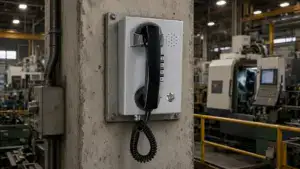
В депо, мастерских, подстанциях, вентиляционных помещениях и зонах обслуживания пути часто присутствуют шум механизмов, взвешенная пыль, масло, вибрация и движение транспорта. Пунктами связи должно быть удобно пользоваться в перчатках; их следует размещать в стороне от устранимых опасностей, сохраняя лёгкую доступность. Настенные промышленные телефоны и переговорные аппараты громкой связи связывают техников с руководителями, энергетической диспетчерской, складом и аварийными группами.
Стандартизированные крепления, доступные кабельные соединения, сменные трубки и шнуры, дистанционные проверки состояния и понятные маркировки сокращают время ремонта.
Как оборудование работает совместно
Промышленные телефоны обрабатывают обычные и критически важные вызовы
Промышленные телефоны предоставляют персоналу привычную прямую голосовую связь. В зависимости от проекта устройства используют аналоговые линии либо соединения SIP/VoIP. Аналоговые аппараты подходят для существующей инфраструктуры PBX и простого питания от линии. IP-устройства поддерживают централизованную настройку, гибкую маршрутизацию, сетевой мониторинг и интеграцию с более широкими операционными системами. Лучший выбор зависит от существующей инфраструктуры, требований устойчивости, политики кибербезопасности и ожидаемого срока службы.
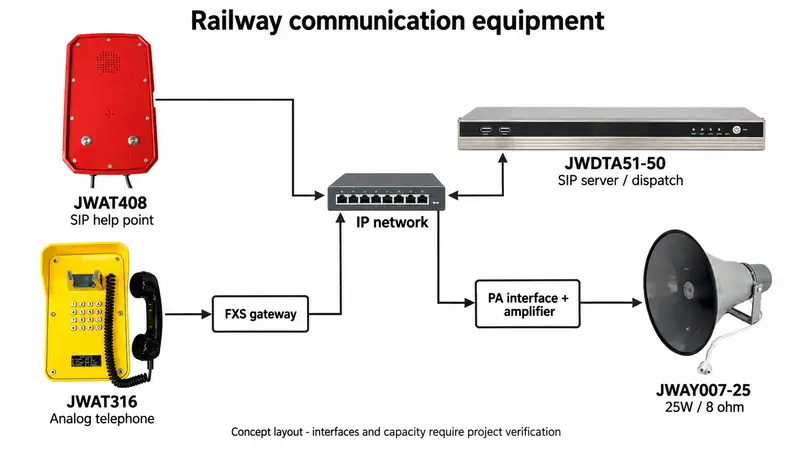
Аналоговый JWAT316 подключается к подходящему аналоговому порту PBX. Для интеграции этой версии в SIP-сеть нужен совместимый шлюз FXS или интерфейс PBX с проверкой набора и контроля состояния по всему тракту.
Аварийные телефоны создают прямой канал помощи
Аварийный телефон должен быстро устанавливать правильное соединение и давать оператору достаточно информации для реагирования. Одна программируемая кнопка вызывает станционный офис, операционный диспетчерский центр или аварийный пост. Двусторонний звук позволяет оценить ситуацию, успокоить абонента и дать инструкции. Определение места вызова, приоритетная обработка, контроль состояния и дополнительная интеграция видео или сигнализации улучшают порядок реагирования.
При установке JWAT408 проверьте обе запрограммированные кнопки, идентификацию вызова, звук при шуме платформы и маршрутизацию неотвеченных вызовов. Эти функции зависят от выбранной версии устройства и настроенной платформы вызовов.
Громкоговорящее оповещение быстро охватывает группы
Телефоны и переговорные аппараты обеспечивают адресные разговоры, а громкоговорящее оповещение передаёт инструкции всем в выбранной зоне. Микрофоны трансляции, усилители, громкоговорители и управляющее ПО передают живые или записанные сообщения о смене платформы, остановках движения, закрытых зонах, маршрутах эвакуации и предупреждениях о ремонте. Зонирование ограничивает объявления затронутыми местами, а правила приоритета позволяют аварийным сообщениям прерывать обычный звук, если это предусмотрено проектом.
Громкоговоритель всепогодный для системы оповещения JWAY007-25 указан как рупорный громкоговоритель мощностью 25W и сопротивлением 8 Ом. Степень IP описывает защиту корпуса. Укажите совместимые усилитель и интерфейс оповещения, нагрузку громкоговорителей, длины кабелей и зоны объявлений; один SIP-сервер не может питать этот громкоговоритель.
Серверы и консоли координируют реагирование
Сервер или PBX управляет нумерацией, маршрутизацией, группами вызовов и соединениями между полевыми устройствами и операторскими местами. Диспетчерская консоль упорядочивает линии, зоны и активные вызовы, а функции мониторинга помогают ремонтным бригадам находить неисправности устройств.
Сервер IP-переговорной связи JWDTA51-50 предоставляет платформу на основе SIP для переговорной связи и диспетчерских функций. Для предлагаемой конфигурации уточните число зарегистрированных пользователей, одновременных вызовов, операторские места, запись и интерфейсы оповещения. При проектировании определите интерфейсы видеонаблюдения или сигнализации и их поведение при отказах.
Основные приоритеты закупки
Разборчивый звук при сильном шуме
Закупщикам следует начать с измеренных условий в каждой точке установки. Фоновый шум, реверберация, ветер, проходящие поезда, вентиляторы и защитное снаряжение влияют на разборчивость. Полезны шумоподавляющие микрофоны, громкие приёмники, регулировка громкости динамиков, акустические кожухи, усиленные звонки и световые маяки. Всю установку следует проверять при характерном фоновом шуме, а не только в тихом помещении.
Прочность и защита от окружающей среды
Материал корпуса, защита от проникновения, ударопрочность, коррозионная стойкость, рабочая температура, допустимая влажность, кабельный ввод, шнур трубки и конструкция крепежа влияют на срок службы. Подземному вестибюлю и открытой железнодорожной платформе могут требоваться разные спецификации. Закупочная документация должна описывать реальные условия и запрашивать доказательства для предлагаемой конфигурации, включая относящиеся к проекту сертификаты и протоколы испытаний.
Общедоступным устройствам также нужны защита от вмешательства и органы управления, выдерживающие многократное использование. Сменные детали и единообразные модели упрощают обслуживание.
Доступность и планирование отказов
Сети 24/7 нужен определённый порядок действий при отказах. Следует оценить резервное питание, резервирование сети, устойчивость серверов, контроль линий, сигналы неисправностей и процедуры восстановления. Аварийные вызовы требуют понятного приоритета и альтернативного направления, когда основной оператор недоступен.
Интеграция и соответствие жизненному циклу
Оборудование должно соответствовать технической среде железной дороги и возможностям обслуживания. Уточните совместимость с аналоговыми системами или SIP, питание, поддерживаемые кодеки, меры кибербезопасности, интерфейсы записи, наличие запасных частей и ответственность за настройку.
Перед окончательным одобрением проведите заводские и объектовые приёмочные испытания с реальными сценариями: пассажирский вызов помощи с оживлённой платформы, ремонтный вызов из тоннеля, сигнал неисправности устройства, перевод другому оператору и зональное аварийное объявление. Эти сценарии показывают, работают ли отдельные компоненты как одна надёжная система связи метро.
Стройте систему на реальных рабочих сценариях
Начните с обследования мест установки и плана маршрутов вызовов. Отметьте пассажирские пункты помощи, служебные телефоны, места ответа и зоны объявлений, затем подберите оборудование под каждую задачу. Обзор решения для железных дорог и метро служит отправной точкой для обсуждения полной конфигурации.
Свяжитесь с нами, чтобы обсудить требования к связи вашей железной дороги и метро и запросить предложение на подходящие промышленные телефоны и вспомогательное оборудование.