تعمل المصانع الصناعية الكبيرة ضمن بيئات اتصالات معقدة. ويربطنظام اتصالات صناعيمصمم جيدًا الصوت والبيانات وإشارات السلامة في جميع مناطق المنشأة، بموثوقية رغم الحرارة والغبار والاهتزاز والتداخل الكهرومغناطيسي وتصنيفات الأجواء الخطرة.
ما الذي تتضمنه شبكة اتصالات على مستوى المصنع
يجمع نظام الاتصالات الشامل للمصنع عدة أنظمة فرعية متميزة، يتولى كل منها وظيفة محددة، ضمن بنية منسقة واحدة. ويؤدي دمج IP PBXوالألياف الضوئية والإذاعة العامة والأجهزة الميدانية عبر بنية شبكة مشتركة إلى التمييز بين النظام الفعال ومجموعة أدوات منفصلة غير مترابطة.
الهواتف الصناعية ونقاط الاتصال في حالات الطوارئ
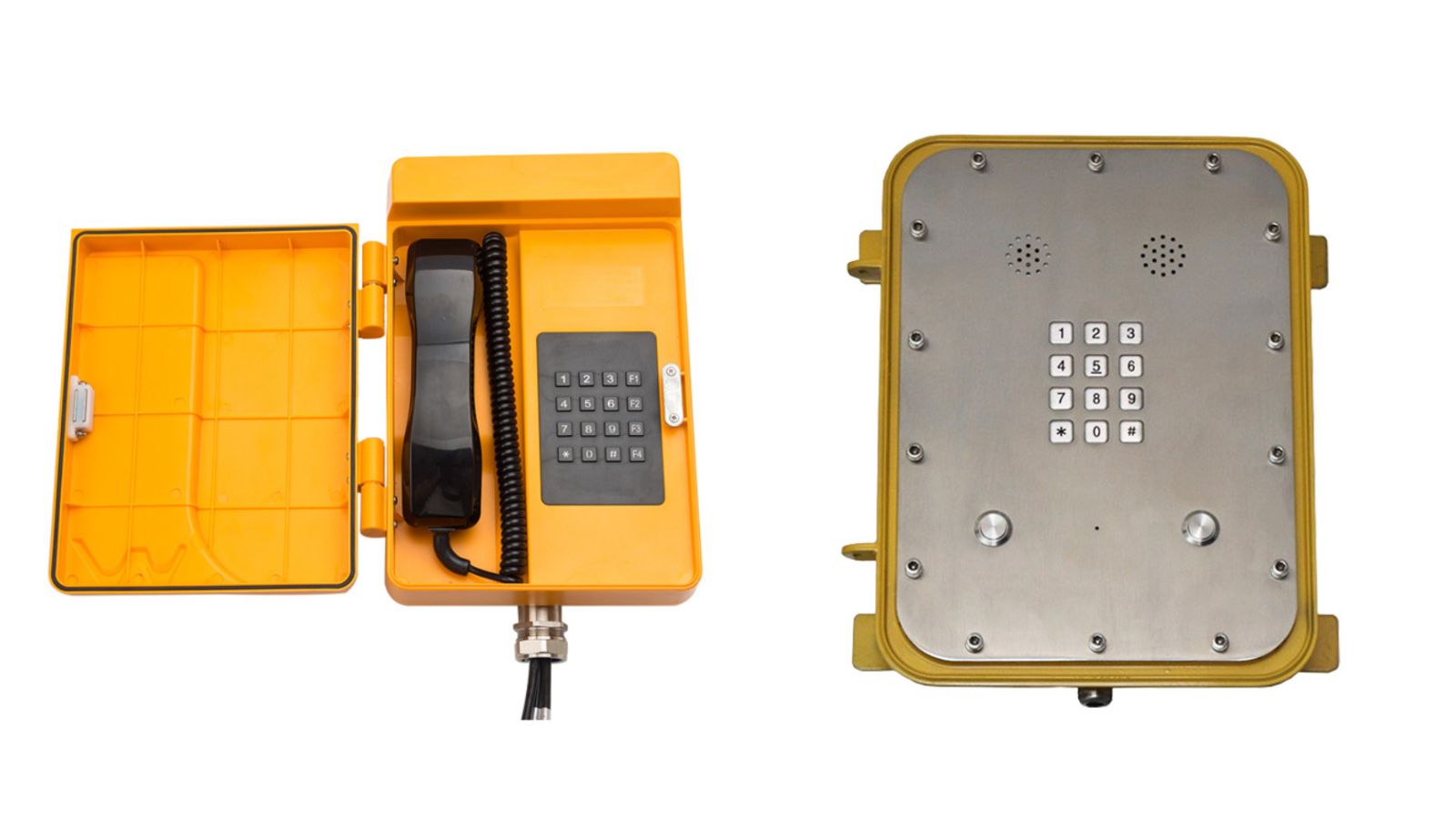
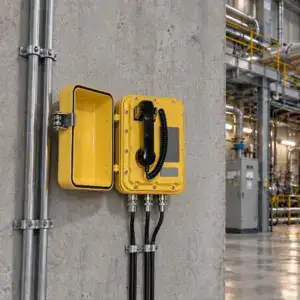
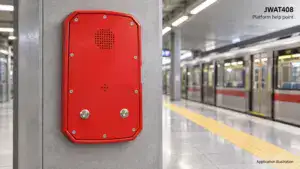
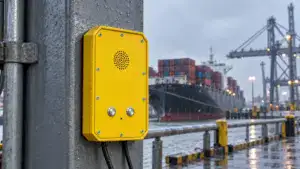
تعمل الهواتف الصناعية بوصفها طبقة الصوت الأساسية للاتصال المباشر بين المواقع الميدانية. وفي المناطق الخطرة، يلزم استخدام هواتف مقاومة للانفجار ذات هياكل شديدة المتانة لضمان سلامة الاتصالات مع سهولة وصول العاملين إليها.
- الموقع: خطوط رؤية مباشرة وعلامات واضحة عالية الوضوح
- المناطق الصاخبة: أغطية صوتية لتحسين سهولة الاستخدام
- الغرض: تفعيل بسيط وسريع عندما يكون الوقت حاسمًا
يتيح منفذ اتصالات في موقع كل جهاز للفنيين الميدانيين توصيل معدات الاختبار أو تبديل السماعات دون تفكيك الهيكل. وتُعد الأغلفة المتينة المصنفة IP66 أو أعلى معيارًا للتركيبات الخارجية وتحت الأرض.
نظام الإذاعة العامة والبث ومكبرات الصوت
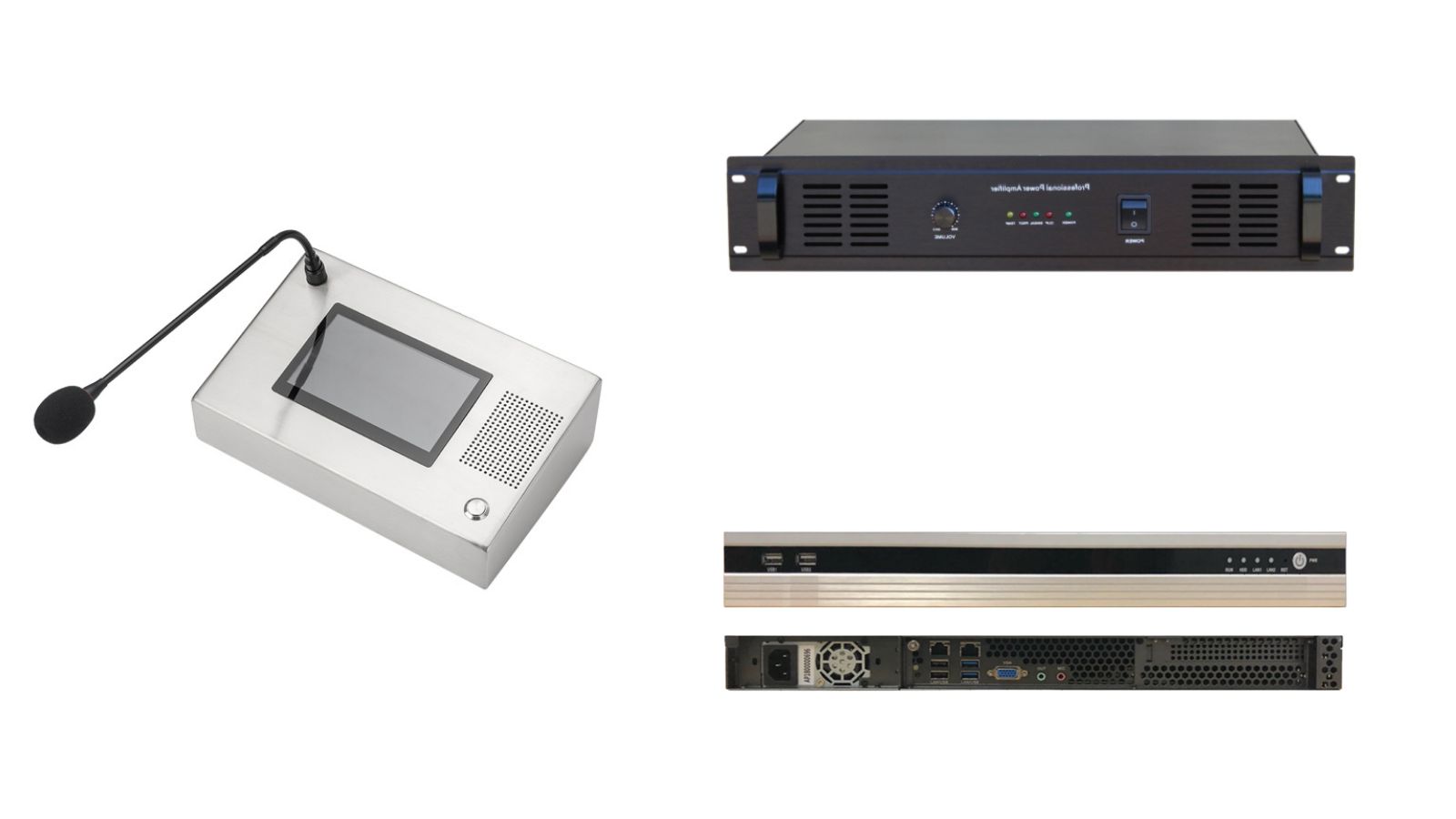
ينقل نظام الإذاعة العامةالصوت المذاع عبر مناطق المعالجة والمستودعات والساحات المفتوحة. وفي مصانع التصنيع الكبيرة، يشمل النظام الإذاعة العامة وإعلانات الطوارئ الصوتية للإخلاء، مع استخدام أنواع مختلفة من مكبرات الصوت حسب منطقة التغطية ومستوى الضوضاء:
تتيح رفوف مضخمات الصوت المقسمة إلى مناطق للمشغلين توجيه الإعلانات إلى مناطق محددة من المصنع بدلًا من البث في أرجائه كافة لكل رسالة.
- دوائر مضخمات صوت مخصصة لمسارات الطوارئ
- بطارية احتياطيةلضمان استمرار التشغيل أثناء اضطرابات الطاقة
- إشارات المراقبةلتنبيه المشغلين إلى أعطال خطوط مكبرات الصوت
تكامل IP PBX والإرسال وغرفة التحكم
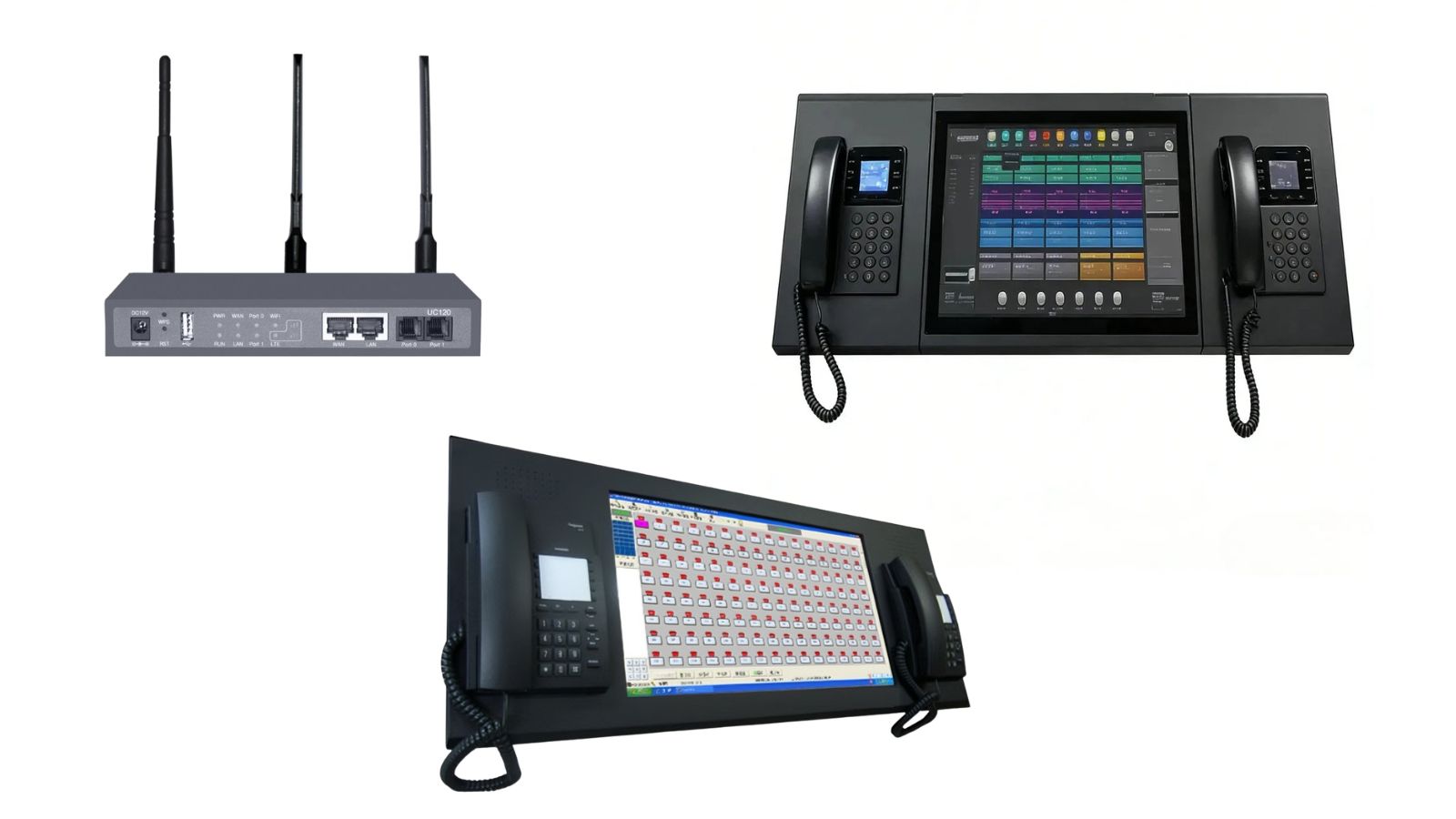
يعمل IP PBX بوصفه نواة تحويل الاتصالات الهاتفية، ويوجه المكالمات بين المحطات الميدانية وغرف التحكم والمباني الإدارية والخطوط الخارجية. وتدعم منصات IP PBX الحديثة دمج SIP trunking، ما يتيح التكامل مع أنظمة هواتف الشركات ومراكز الإرسال عن بُعد عبر شبكة TCP/IP معيارية.
وتجمع وحدة تحكم الإرسالفي غرفة التحكم المكالمات الواردة من الهواتف الميدانية ونقاط الاتصال في حالات الطوارئ، ما يمنح المشغلين واجهة واحدة لتنسيق الاتصالات الصوتية. ويسمح التكامل مع أنظمة SCADA وأنظمة التحكم في العمليات بتسجيل نشاط المكالمات إلى جانب أحداث العمليات، الأمر الذيجهاز بوابةيتولى ترجمة البروتوكولات بين دوائر الهاتف التناظرية أو الرقمية القديمة وشبكة IP. ويكتسب ذلك أهمية خاصة في مشروعات التحديث التي تستخدم الأسلاك النحاسية الحالية.
الشبكة الرئيسية للألياف الضوئية والأجهزة الطرفية
تشكل كابلات الألياف الضوئية الشبكة الرئيسية لمعظم شبكات الاتصالات في مصانع التصنيع الكبيرة. فهي تدعم مسارات الكابلات الطويلة دون تدهور الإشارة، كما أنها محصنة ضد التداخل الكهرومغناطيسي وتتحمل البيئات الصناعية الصعبة. وتشمل المزايا الرئيسية ما يلي:
- المسافة: تدعم المسارات الطويلة دون تدهور الإشارة
- الحصانة ضد EMI: أداء مستقر قرب المحركات والمحولات ومفاتيح التوزيع
- تجميع الاتصالات: تنقل الصوت والبيانات عبر بنية مادية واحدة
تُنهي الأجهزة الطرفية مثل المحولات المُدارةومحولات الوسائط الشبكة الرئيسية للألياف الضوئية، وتوفر اتصالات Ethernet نحاسية لمجموعات الأجهزة الميدانية المحلية. ويوجه الموجّه في كل قسم رئيسي من المصنع حركة البيانات بين الشبكة الرئيسية والأجهزة الطرفية.
كيف يتم تنظيم البنية
تتبع بنية اتصالات المصنع نموذجًا متعدد الطبقات يفصل الأجهزة الميدانية عن أنظمة التحكم في العمليات وشبكات المؤسسة. ويعتمد الترتيب المحدد لهذه الطبقات على حجم المنشأة ومستوى التكرار المطلوب ومدى تكامل أنظمة السلامة والعمليات.
طبقات الشبكة الأساسية والتوزيع والطرفية
مسارات الصوت والبيانات وإشارات السلامة
ينبغي أن تنتقل حركة الصوت وبيانات العمليات وإشارات السلامة عبر مسارات منطقية منفصلة، حتى عند مشاركتها للبنية المادية نفسها. ويتحقق هذا الفصل باستخدام
في بعض التصاميم، تُمد دوائر الصوت الحرجة للسلامة بكابلات منفصلة ماديًا بالكامل، خصوصًا في المنشآت التي تنطبق عليها معايير السلامة الوظيفية مثل IEC 61508.
عوامل التصميم للبيئات القاسية وعالية الخطورة
يتطلب إنشاء نظام اتصالات يعمل بموثوقية في الظروف الصناعية تجاوز تصميم الشبكات التجارية المعتاد. ويجب أن تتعامل الاتصالات الفورية في المناطق شديدة الضوضاء والمناطق الخطرة والمساحات الواسعة مع المتطلبات البيئية والتشغيلية في الوقت نفسه.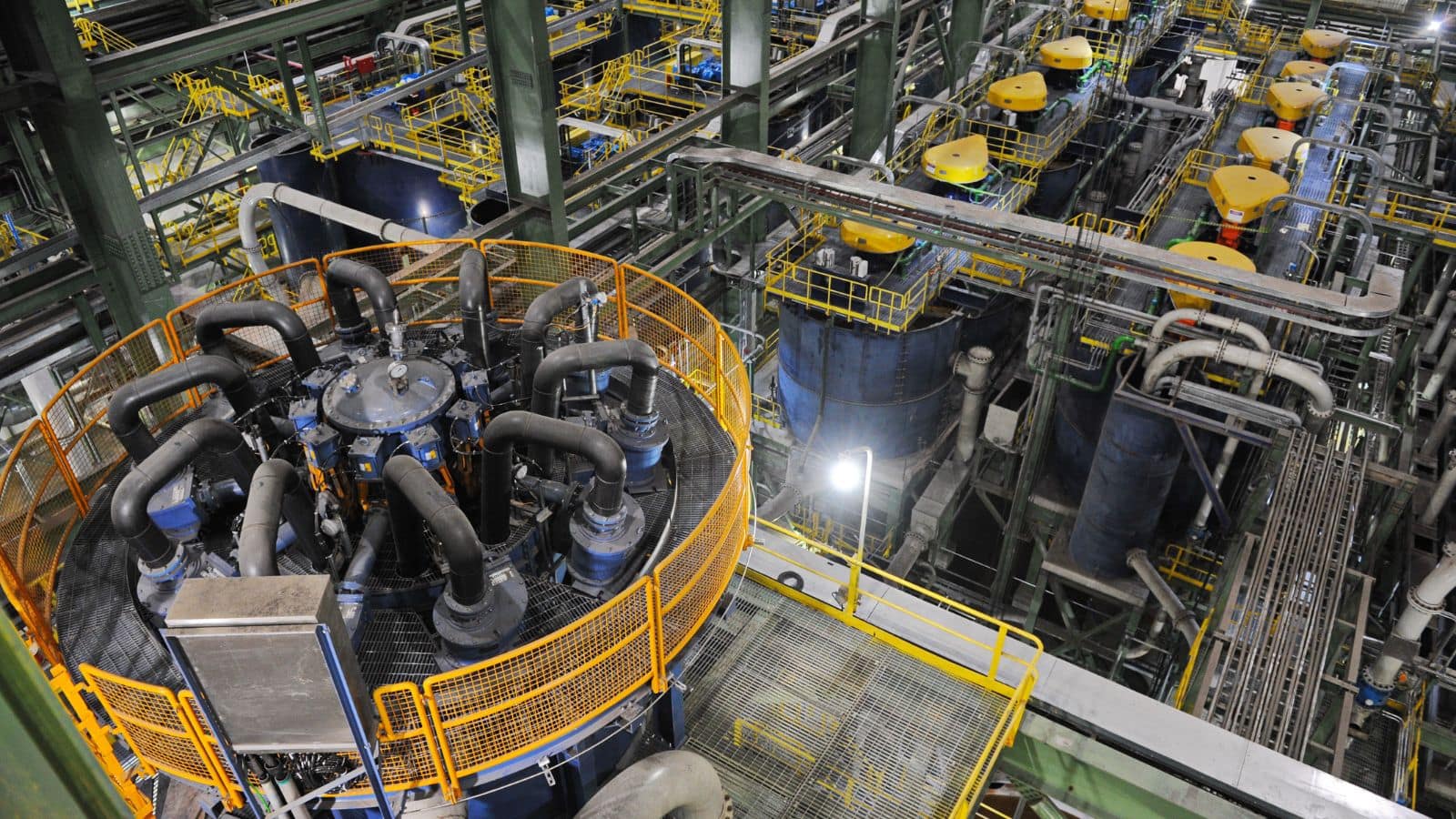
التغطية وتقسيم المناطق ووضوح الصوت في المناطق الصاخبة
يبدأ تحقيق تغطية كافية في مصنع تصنيع كبير بإجراء مسح للضوضاء. فكثيرًا ما تتجاوز مستويات ضغط الصوت المحيط في مناطق العمليات 85 dB، ما يجعل مكبرات الصوت التجارية العادية غير فعالة للإذاعة العامة أو إعلانات الطوارئ. وتشمل الخطوات العملية ما يلي:
- إجراء مسح للضوضاءلتحديد المناطق التي لا يكفي فيها خرج الصوت العادي.
- اختيار أنواع مكبرات الصوت (مثل مكبرات البوق أو المصفوفات عالية الخرج) بما يتناسب مع الظروف المقاسة.
- تحديد المناطقلضمان توجيه الإعلانات إلى الأماكن المناسبة دون بث غير ضروري في المصنع بأكمله.
- التحقق من وضوح الكلامباستخدام مقياس STI (مؤشر نقل الكلام).
- المراقبة المستمرةباستخدام إشارات المراقبة لاكتشاف الأعطال على مستوى الدائرة.
تتيح المراقبة الفورية لسلامة خطوط مكبرات الصوت وحالة المضخمات للمشغلين تحديد أعطال التغطية قبل أن تتحول إلى فجوة في السلامة. كما تساعد إشارات المراقبة عند رفوف المضخمات على اكتشاف أعطال خطوط مكبرات الصوت المفتوحة أو القصيرة.
الحماية من دخول العوامل الخارجية والمناطق الخطرة ومواقع المعدات
تتطلب المعدات الموضوعة في المناطق الخارجية أو تحت الأرض أو المعرضة للغسل تصنيف IP مناسبًا. ويعد IP65 الحد الأدنى عمومًا للمعدات الصناعية الخارجية؛ أما IP66 أو IP67 فيناسب المناطق التي تتعرض لنفاثات ماء قوية أو الغمر المؤقت. وفي المناطق الخطرة، يجب مطابقة الشهادة مع تصنيف الموقع.
- الامتثال لمتطلبات المناطق الخطرة: تحدد ATEX وIECEx المعدات المسموح بها حسب مجموعة الغاز وفئة درجة الحرارة.
- الشهادة الصحيحة: يجب أن تطابق الأجهزة المقاومة للانفجار تصنيف المنطقة التي ستُركب فيها.
- الموقع العملي: خطط لإمكانية الوصول للصيانة واتجاه دخول الكابلات والحماية من صدمات المركبات أو أضرار المناولة.
ينبغي أن يراعي موقع المعدات إمكانية الوصول للصيانة واتجاه دخول الكابلات ومخاطر الأضرار المادية الناجمة عن المركبات أو مناولة المواد. كما تساعد أغطية الهواتف والأغطية الواقية على حمايتها من الصدمات المباشرة والتعرض للظروف الجوية.
التكرار والتوافر وتحمل الأعطال
يُعد التكرار الاحتياطي متطلبًا تصميميًا، لا ميزة اختيارية، في أنظمة الاتصالات الحرجة للسلامة. وتشمل أنماط الأعطال الرئيسية التي ينبغي معالجتها فقدان الطاقة وفشل مسار كابل واحد وتعطل مكونات الأجهزة.
وتُعد مصادر الطاقة المزدوجة مع التحويل التلقائي، ومزودات الطاقة غير المنقطعة (UPS) لوحدات التحكم ورفوف المضخمات، وشبكات الألياف ذات الطوبولوجيا الحلقية من تدابير التكرار القياسية. وتستعيد الطوبولوجيا الحلقية التي تستخدم بروتوكولات مثل RSTP أو MRP الاتصال بعد قطع كابل واحد خلال أقل من 50 ميلي ثانية، وهي مدة لا يمكن ملاحظتها أثناء المكالمة الصوتية.
وينبغي نشر العقد الحرجة، مثل خادم IP PBX ووحدة تحكم الإرسال ووحدة التحكم بنظام PA، في أزواج احتياطية مع تحويل تلقائي عند التعطل. ويضمن توثيق هدف زمن الاستعادة (RTO) لكل نظام فرعي في مرحلة التصميم مواءمة تدابير التكرار مع المتطلبات التشغيلية.
وتُصنف محولات Ethernet الصناعية المُدارة للعمل ضمن نطاقات درجات حرارة ممتدة، وتدعم بروتوكولات التكرار مثل RSTP أو MRP، ويمكن تهيئتها لتقسيم VLAN.
اختر Joiwo لحلول أنظمة الاتصالات الصناعية المتكاملة من مصدر واحد
Ningbo Joiwoهيشركة متخصصة في التصنيع وتوفير الحلول، وتدعم المشروعات بدءًا منالتصميم والتكامل وصولًا إلى التركيب والصيانة، عبر كتالوج شامل يضمالهواتف الصناعية وأنظمة الاتصال المرئي الداخلي والبث العام / اتصالات الطوارئ وأنظمة الاتصالات بالألياف الضوئية ومنتجات الشبكات وتقنية المعلومات ذات الصلة.
إذا كنت ترغب في المساعدة على تحديد البنية المناسبة لموقعك، يمكنك البدء بـإرسال استفسارإلى فرق الهندسة لدى Joiwo ومشاركة المعلومات الأساسية لمشروعك.
الأسئلة الشائعة
كيف يتصل نظام الاتصالات الصناعي بنظام الأتمتة (PLC والمستشعرات والمشغلات)؟
في معظم المصانع، تتصل الأجهزة الميدانية مثلالمستشعرات والمشغلاتبـوحدات التحكم المنطقية القابلة للبرمجة (PLC)على مستوى التحكم، ثم تتبادل وحدات PLC الحالة والإنذارات معنظام التحكم (مثل SCADA أو منصة تحكم موزعة).
وتكون طبقة الاتصالات التي تربط هذه المناطق عادةًشبكة اتصالات صناعيةمصممة لدعم أولوياتالوقت الفعلي، بحيث تصل الإنذارات الحرجة وإجراءات المشغلين بشكل متوقع حتى مع زيادة حركة المرور الاعتيادية.
وهنا تبرز أهمية التقسيم الجيد وهندسة حركة البيانات.
ما بروتوكولات الاتصالات الشائعة ومتى تستخدم البوابة؟
نادرًا ما تستخدم المصانع معيارًا واحدًا من البداية إلى النهاية. فمن الشائع رؤية أنظمةناقل المجالالقديمة (مثلPROFIBUS) تعمل جنبًا إلى جنب مع بروتوكولاتEthernet الصناعيالحديثة مثلPROFINET أوEtherCAT، بينما يتم تبادل البيانات على المستوى الأعلى بصورة متزايدة عبرOPC UAمن أجلتبادل البياناتبشكل آمن.
وعندما لا تستطيع الأجهزة القديمة استخدام الواجهة نفسها التي تستخدمها شبكة IP، تُستخدم عادةًبوابةلربطبروتوكولات الاتصالاتالمختلفة وجعل التحديث تدريجيًا بدلًا من أن يكون معطلًا للعمليات.
كيف تغير الصناعة 4.0 وإنترنت الأشياء الصناعي (IIoT) متطلبات الشبكة؟
مع توسع مبادراتالصناعة 4.0، تضيف المصانع مزيدًا من نقاط المراقبة وترسل مزيدًا من البيانات إلى منصات التحليلات لأغراضالصيانة التنبؤية والتصنيع الذكي. ويؤدي هذا الاتجاه—الذي يوصف غالبًا بأنهإنترنت الأشياء الصناعي (IIoT)—إلى زيادة أحجام البيانات الإجمالية وجعل أنماطنقل البياناتأكثر تذبذبًا.
والهدف العملي من التصميم هو الحفاظ على التوافر العالي والسلوك الحتمي لحركة التحكم والسلامة، مع دعم الاتصالات القابلة للتوسع في الوقت نفسه.