A reliable industrial PA system is essential infrastructure when operations teams need the ability to reach every worker, in every zone, at any moment. Whether managing a manufacturing plant or a high-traffic distribution center, the right system design makes a measurable difference in both daily operations and emergency readiness.
For engineers and procurement teams ready to evaluate their options or upgrade an existing setup, this guide will examine the core components of modern public address and paging systems through a systematic approach.
Core Functions of Industrial PA Systems
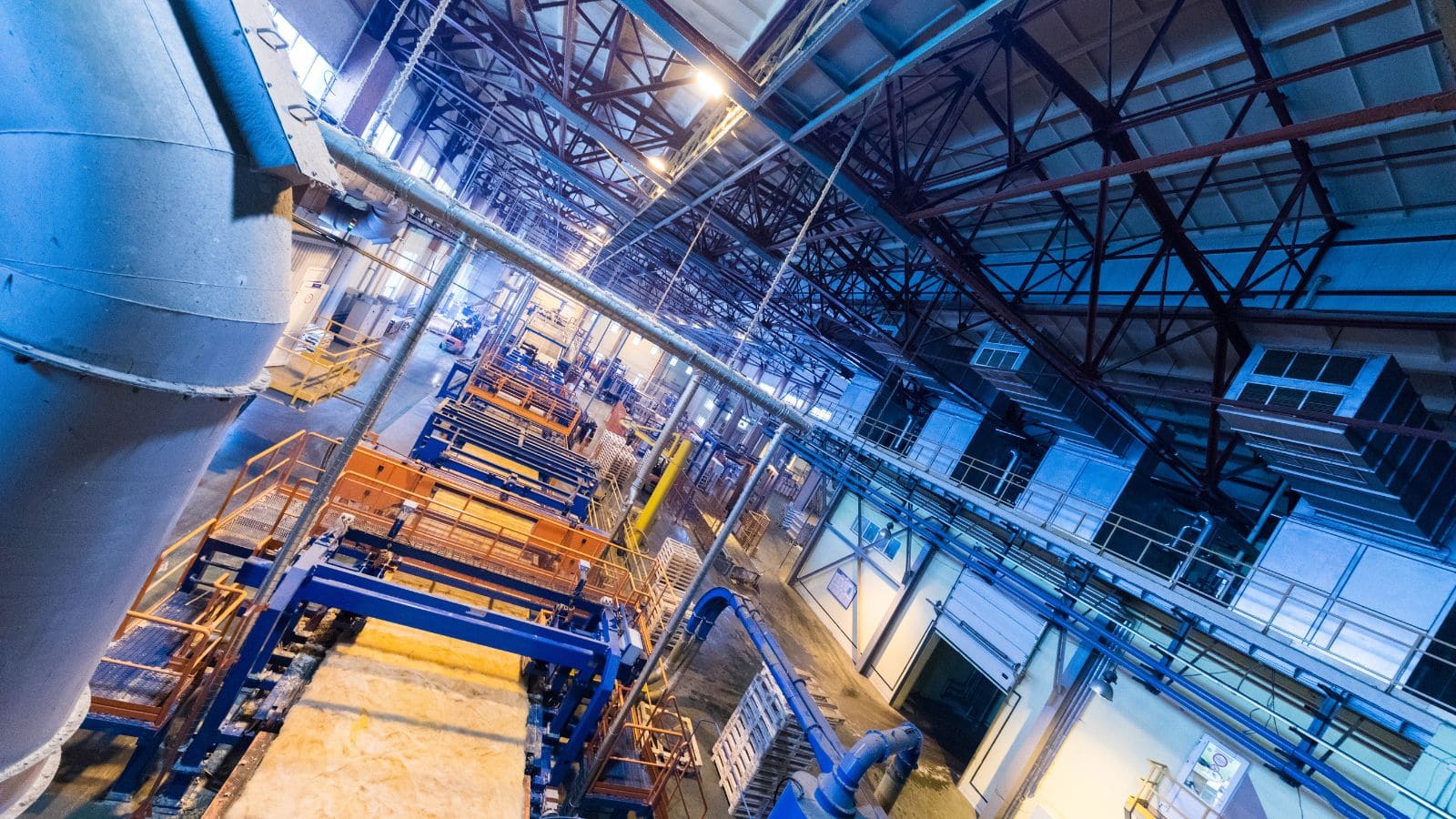
Modern industrial communication platforms function as centralized IT/OT infrastructure. It is capable of shift transitions, automated workflow coordination, and reliable signal delivery across areas with highly variable noise levels.
Automated Workflow Signaling & Integration
In daily production, the ROI of a PA system is heavily driven by automation. Modern PA systems operate via VoIP protocols and programmable triggers for multiple tasks, including:
- Scheduled announcement
- Shift changes
- Automated maintenance reminders
- and more
This reduces manual overhead and improves operational efficiency. Standardized network infrastructure allows isolated departments to receive independent messaging without interfering with each other, ensuring employees only hear what is relevant to their specific workflow.
Multi-Zone Routing & Granular Zone Paging
Constant plant-wide communication contributes to “acoustic fatigue”—a safety hazard that causes workers to tune out critical alerts. Advanced matrix routing solves this by enabling highly targeted, IP-based multi-zone paging.
Operators can route a page to a specific CNC bay, a single warehouse aisle, or an isolated outdoor loading dock without bleeding into adjacent areas.
This software-defined zoning is highly scalable. When evaluating an overhead paging system, teams should prioritize modular architectures. Systems that allow easy reconfiguration of zones via a software GUI eliminate the need for expensive physical rewiring when facility layouts inevitably change.
Priority Logic & Automated Emergency Announcements
The distinction between routine communication in warehouses and emergency broadcasting has strict compliance implications. Systems must handle both reliably, utilizing clear priority logic.
Routine background music or general pages sit at a lower priority, while safety alerts and emergency announcements automatically override or duck other audio.
When a fire alarm panel or safety sensor sends a signal, the system can automatically switch into emergency mode, broadcasting pre-recorded digital evacuation instructions. This removes the human delay between detecting an event and delivering clear voice messages to the workforce.
Matching Loudspeakers to Industrial Environments
Selecting the right speaker system involves more than comparing output ratings. The right choice depends on the physical conditions, ambient noise, and regulatory classifications of each specific zone.
High-SPL Areas: Deploying Horn Speakers
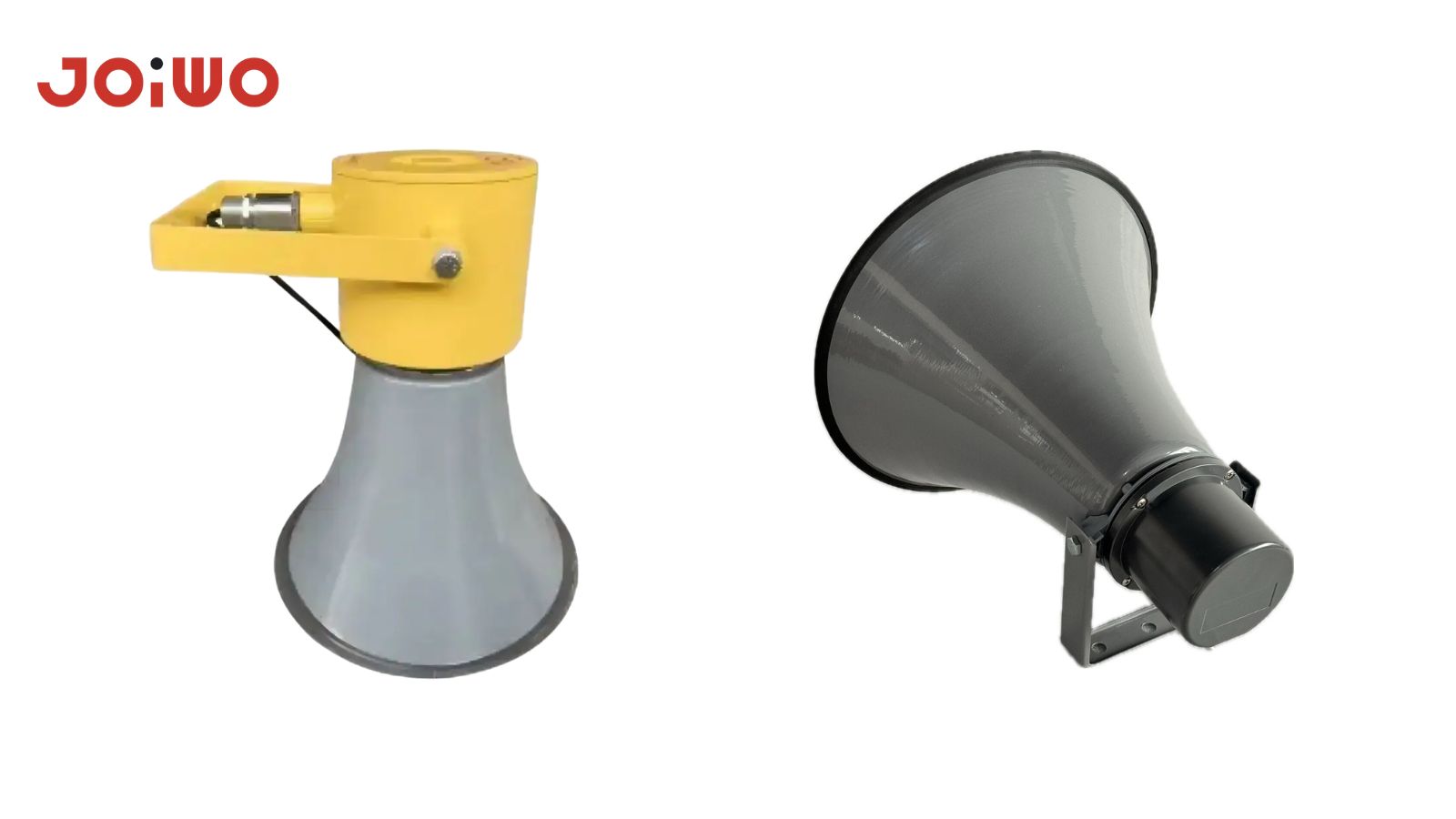
Heavy machinery and HVAC systems in industrial plants regularly push ambient noise above 85 dB. The primary engineering challenge here is achieving high vocal clarity and a strong Speech Transmission Index (STI). Horn speakers (or paging horns) are the workhorses for these high noise environments. Their design concentrates sound energy, cutting through the noise floor to provide reliable paging in open manufacturing bays and distribution centers.
Proper acoustical planning and speaker spacing at the procurement stage prevent dead zones and echo. Conversely, for quieter enclosed offices or break rooms, standard ceiling speakers provide excellent sound quality without overpowering the space.
Corrosive & Wet Zones: Weatherproof Solutions
Facilities with washdown procedures, high humidity, or outdoor exposure require a loudspeaker built to withstand harsh elements.
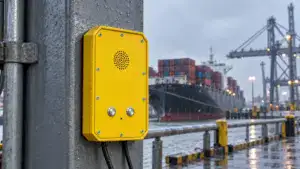
Weatherproof speakers with high IP ratings (IP65 or above) are engineered with sealed enclosures and corrosion-resistant materials. This ensures the sound system remains operational in outdoor yards or food processing plants without requiring constant maintenance or replacement.
Classified Hazardous Locations: Explosion-Proof Requirements
In classified hazardous areas containing flammable gas, vapor, or combustible dust, standard electronics are strictly prohibited. Explosion-proof speakers are constructed to contain any internal spark within a robust, sealed enclosure, preventing ignition of the surrounding atmosphere.
These specialized units are necessities for oil refineries, chemical plants, and grain handling facilities, carrying necessary ATEX or UL certifications.
Public Address System Architecture: Control, Integration & Reliability
An industrial PA setup is supported by its backend architecture. Engineers must decide how the system is powered, controlled, and integrated with existing safety networks.
Networked IP-Based vs. Analog Systems
Traditional analog systems rely on centralized heavy-duty amplification and 70V/100V copper wiring runs. While historically reliable, they offer limited flexibility.
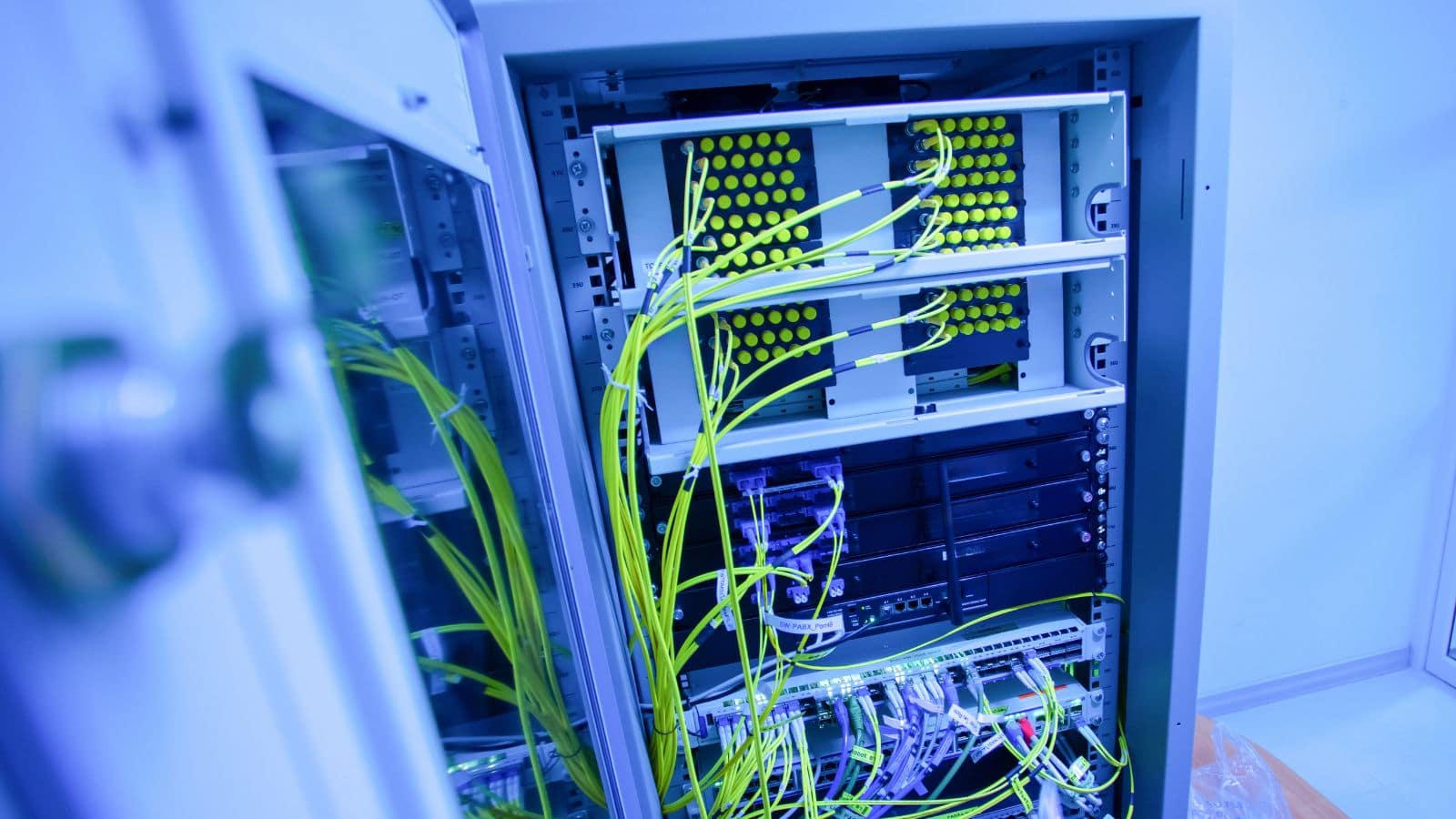
Modern IP-based systems utilize existing standard network infrastructure. By deploying PoE speakers (Power over Ethernet), engineers can deliver both power and digital audio over a single standard network cable, dramatically reducing installation costs and simplifying future additions.
|
Feature
|
IP-Based PA Systems
|
Traditional Analog Systems
|
|---|---|---|
|
Cabling & Infrastructure
|
Standard Ethernet (Cat5e/Cat6)
|
Heavy 70V/100V copper wiring
|
|
Power Source
|
PoE (Power over Ethernet) Switches
|
Centralized heavy-duty amplifiers
|
|
Zoning & Routing
|
Software-defined, granular flexibility
|
Hardwired, fixed zones
|
|
Scalability
|
Seamless (Add endpoints to switch)
|
Complex (Limited by amp capacity)
|
Unifying Communications: SIP, Intercom, and Phone Systems
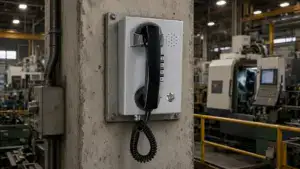
Modern platforms easily unify disparate communication tools. By utilizing standard SIP protocols, the PA system can integrate directly with the facility’s IP phone network and base station intercoms.
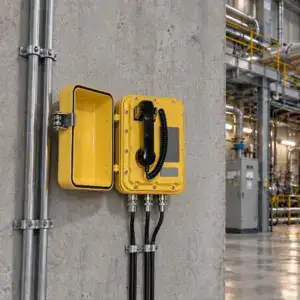
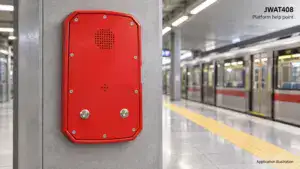
This allows managers to trigger pages directly from their desk phones. Furthermore, integrating an intercom terminal enables two-way communication, allowing floor workers to respond to control rooms rather than just receiving one-way broadcasts.
Amplifier Capacity, Volume Control & Redundancy
For hybrid or centralized setups utilizing a traditional wired amplifier (often housed in a secure rack mount setup), ensuring adequate power headroom is critical. Independent volume control at the zone level allows precise adjustments based on local ambient noise.
To guarantee uptime in critical industrial environments, fault monitoring tools should deliver real-time alerts if a microphone input, amplifier, or network switch goes offline, allowing maintenance to react before safety is compromised.
Procurement Focus: ROI, Scalability, and Total Cost of Ownership
An entire PA system usually represents a significant capital expenditure. Evaluating the Total Cost of Ownership (TCO) means looking beyond the initial hardware invoice.
Planning for Future Expansion
A system sized precisely for today’s floor plan with no headroom becomes a costly bottleneck tomorrow. IP-based and decentralized systems are inherently scalable.
Adding a new warehouse wing simply requires dropping new PoE speakers onto the existing network switch, making it a highly cost-effective method for scaling plant-wide communication as the business grows.
Maintenance, Durability, and Long-Term Value
In harsh industrial facilities, equipment failure disrupts operations and poses severe safety risks. Investing in ruggedized, purpose-built industrial hardware drastically reduces replacement cycles and maintenance downtime.
By specifying the correct weatherproof and explosion-proof hardware upfront, and leveraging automated network fault monitoring, facilities ensure their communication system delivers a strong ROI through years of reliable, uninterrupted service.
Joiwo: An Industrial PA System Provider with Global Experience
With extensive global experience across sectors such as oil and gas, heavy manufacturing, chemical processing, and maritime operations, Joiwo understands the unique acoustic and regulatory challenges of industrial facilities.
Whether your site requires heavy-duty explosion-proof horns for hazardous zones, weatherproof VoIP intercoms for outdoor loading docks, or a fully integrated, multi-zone IP-based PA network, our equipment is strictly built to international compliance standards.
Ready to modernize your facility’s communication infrastructure? Contact the Joiwo engineering team today to request a detailed project quote. Let us help you design a resilient, future-proof public address system tailored precisely to your operational needs.