For engineers and procurement teams, Session Initiation Protocol (SIP)-based industrial communication enables industrial telephones, intercom stations, emergency call points, and dispatch consoles to operate over VoIP networks with better scalability, easier maintenance, and simpler integration than traditional phone systems.
However, a few key questions still remain:
-
- How SIP systems improve industrial communication systems
- Which SIP-enabled devices fit harsh industrial scenes
- Which industries benefit most from a SIP system
- How to plan SIP integration with existing networks and a PBX / IP-PBX
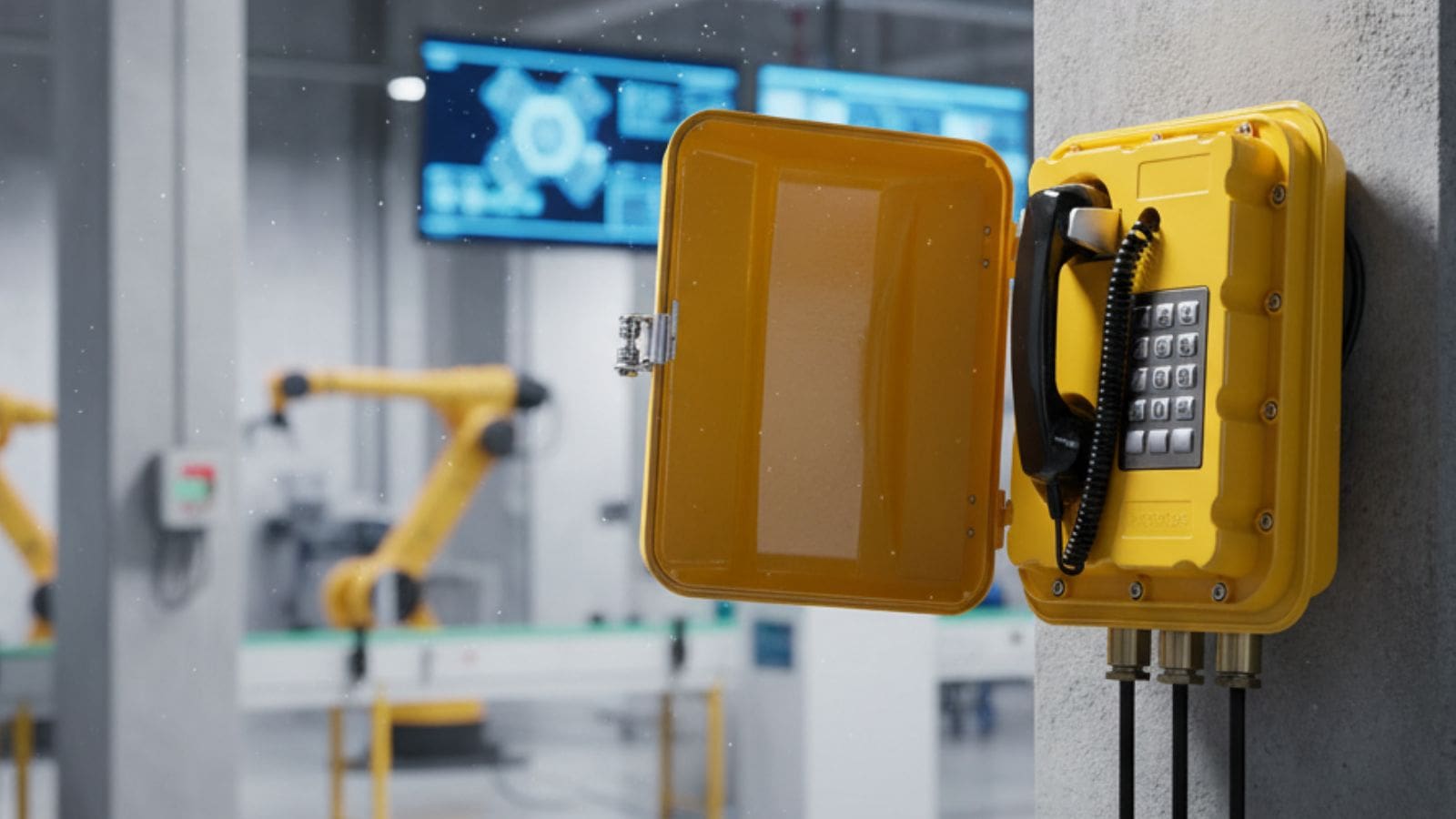
SIP vs Traditional Analog for Industrial Communication
For industrial communication projects, the difference between SIP and analog systems is mainly about infrastructure, scalability, and long-term maintenance.
Analog systems rely on dedicated copper cabling for each endpoint, while SIP systems use IP networks to connect industrial telephones, intercoms, emergency call stations, and dispatch consoles over Ethernet or fiber.
|
Comparison Area
|
Traditional Analog Telephony
|
SIP-Based Industrial Communication
|
|---|---|---|
|
Cabling
|
Dedicated copper pair for each endpoint
|
Uses existing Ethernet or fiber infrastructure
|
|
Expansion
|
Requires new wiring and physical installation
|
Usually added through network connection and configuration
|
|
Multi-site deployment
|
More limited and harder to scale across sites
|
Easier to connect buildings, plants, and remote locations
|
|
Maintenance
|
More on-site work and line troubleshooting
|
Easier remote management and centralized administration
|
|
Long-term flexibility
|
Better for simple legacy setups
|
Scalable design for growing or modernized industrial networks
|
Key Advantages of SIP for Harsh Industrial Environments
Industrial communication systems often operate in noisy, exposed, or widely distributed environments. In these conditions, the value of SIP includes IP connectivity, clear voice communication, easier maintenance, and more flexible system expansion across the site.
Reliable Audio in Noisy Areas
Industrial SIP devices used in factories, tunnels, substations, and outdoor sites are often designed with high-output speakers, noise reduction, and hands-free operation. This helps maintain clearer communication in environments where background noise can affect safety and response time.
Easier Remote Management
For large facilities and remote installations, SIP-based devices are easier to monitor, configure, and update from a central location. This can reduce maintenance effort and limit the need for on-site service visits.
Better Integration with Existing Systems
SIP-based industrial communication systems can be integrated more easily with IP-PBX platforms, dispatch systems, and paging workflows. This helps engineering teams connect field communication devices with the broader site communication network.
More Flexible Expansion
As communication needs grow, SIP systems are generally easier to extend across new buildings, production areas, or remote sites. This makes them a practical option for industrial operations that plan phased upgrades or multi-site deployment.
Main SIP Devices and System Components
A complete SIP industrial communication system is made up of specialized hardware purpose-built for rugged environments. Each device category serves a distinct function, and the value of the system comes from how these components work together across the IP network.

SIP / VOIP Intercom Stations
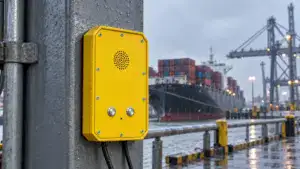
SIP intercom stations are commonly used for hands-free communication in production areas, tunnels, entry points, and other fixed locations. They are suitable where fast voice contact is needed without using a handset. When selecting SIP intercoms, buyers usually focus on enclosure protection, mounting type, audio clarity, and paging or group call capability.
Industrial SIP / VOIP Telephones
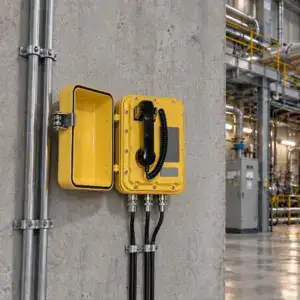
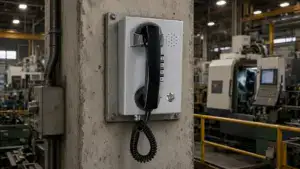
Industrial SIP telephones are designed for users who need a more conventional handset-based interface in harsh environments. They are often used in factories, substations, mining sites, tunnels, and outdoor process areas. Key selection factors include weather resistance, durability, temperature tolerance, and any hazardous-area requirements for the installation site.
Emergency Call Stations
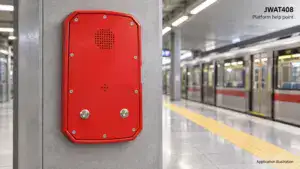
Emergency call stations are designed for fast one-touch communication in safety-critical areas. They are typically installed at fixed emergency points where workers or visitors may need immediate access to a control room, security team, or dispatch operator. Important considerations include visibility, ease of use, enclosure strength, and reliable operation in exposed or high-risk locations.
Dispatch Consoles
Dispatch consoles provide centralized communication control for operators managing multiple field devices. They are commonly used in control rooms to receive calls, monitor status, coordinate response, and make announcements. For this part of the system, buyers should consider platform compatibility, call handling capacity, and integration with existing dispatch or communication workflows.
SIP Server / IP-PBX (Call Control)
A SIP industrial communication system typically relies on a SIP server or IP-PBX for endpoint registration and call routing. In many projects, this can be the customer’s existing IP-PBX, while industrial SIP phones, intercoms, emergency call stations, and gateways register to it as standard SIP endpoints. For procurement and engineering teams, key checks include platform compatibility, required calling features (hotline, call groups, paging), and whether redundancy or failover is needed for safety-critical sites.
Where These Systems Deliver the Most Value
SIP-based industrial communication systems create the most value in environments where safety, wide-area coverage, and centralized coordination are mandatory. In practice, the strongest ROI is often seen in high-risk and infrastructure-heavy sectors where emergency calling, paging, and dispatch must work reliably across multiple zones.
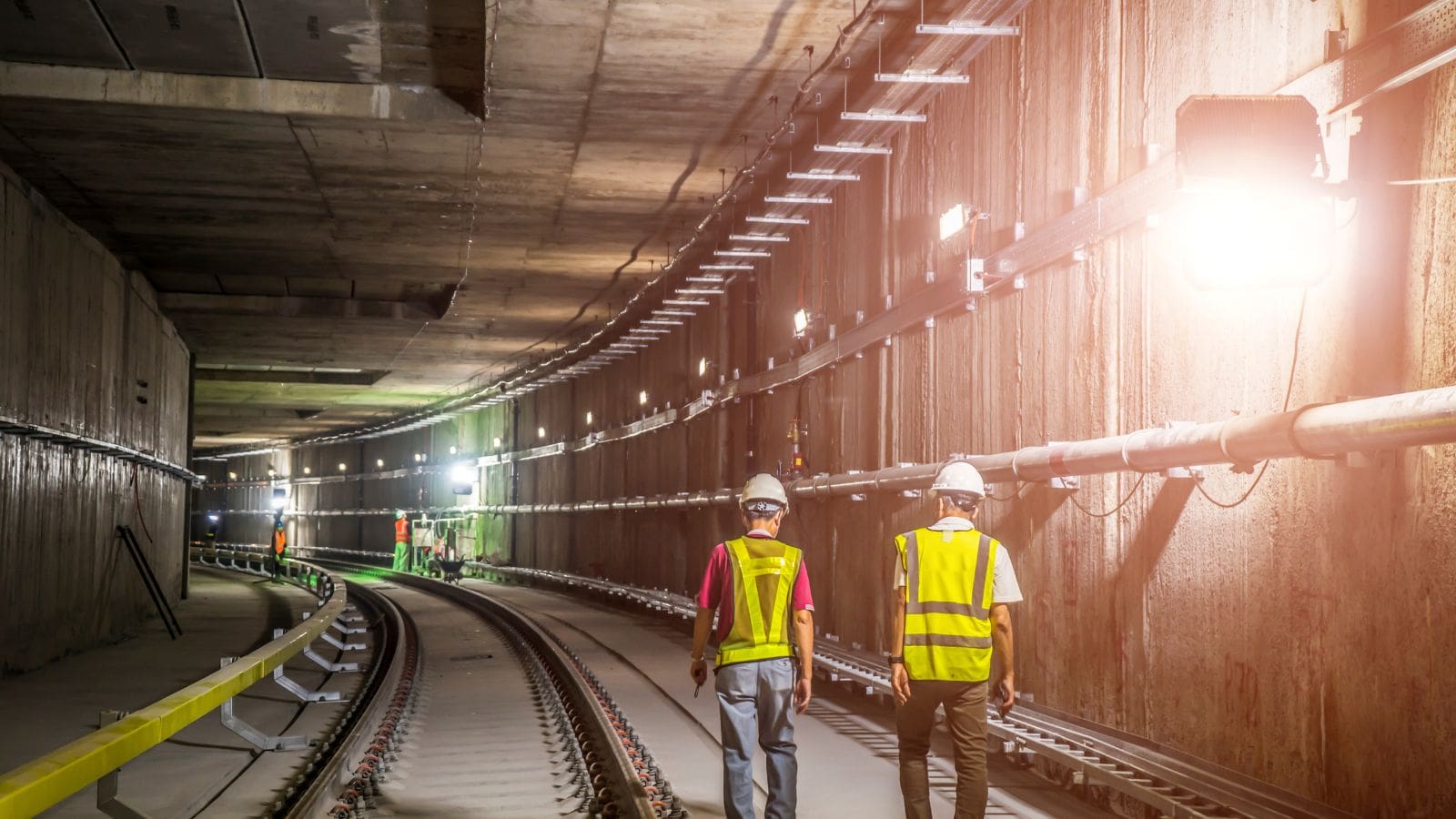
Oil and Gas / Petrochemical Facilities
In petrochemical operations, communication must cover multiple zones—such as refineries, drilling areas, processing units, and living or administrative areas—while meeting stringent safety requirements.
Oil and gas SIP projects usually involve a unified SIP-based communication architecture that combines intercom/paging, emergency notification, and public broadcasting on an IP-based architecture, with support for features such as multicast voice, remote monitoring, multi-system integration, alarm and recorded-message broadcasting, and hazardous-area certified terminals.
Mining (Underground and Open-Pit)
Mining projects often require communication across challenging terrain and long distances, and underground environments add safety and isolation requirements. The SIP mining communication system emphasizes intrinsically safe isolation protection between surface telephone systems (PABX or IP-PBX) and underground telephones, plus a dispatching operator console for real-time monitoring and emergency control.
This type of architecture is designed to keep critical communication available even when parts of the surface system fail, and can support centralized monitoring across multiple mine sites.
Tunnels, Highways, and Underground Utility Tunnels
For tunnels and highway infrastructure, fast emergency response and coordinated evacuation messaging are the core requirements. Typically, the emergency telephone system and the tunnel broadcasting system (PAGA) operate as a unified network using shared consoles, signaling, and communication cables.
This allows centralized management and helps operators deliver emergency instructions quickly while travelers can reach the control room through strategically placed help-point telephones.
Frequently Asked Questions
How do SIP intercoms connect with enterprise phone systems?
SIP allows industrial intercoms and enterprise phone systems to communicate over the same IP network or through compatible SIP servers. This makes it easier to route calls between factory devices, office phones, and remote users.
How can SIP intercoms be integrated with SCADA, PLC, or dispatch systems?
SIP intercoms can be connected to SCADA, PLC, or dispatch workflows through gateways, middleware, or platform integration. This allows alarms or control events to trigger calls, alerts, or operator response.
How can SIP devices be secured on industrial networks?
SIP devices should use TLS for signaling, SRTP for voice encryption, and be deployed on segmented industrial networks. Regular firmware updates and strong access control also help improve security.