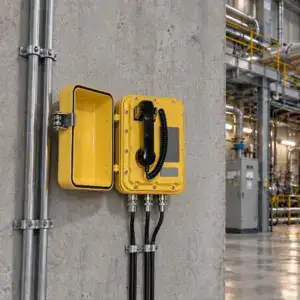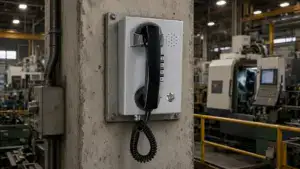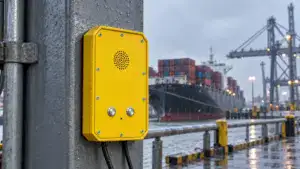
Oil rigs are dangerous industrial environments with constant flammable gas and vapor, and standard communication devices that create heat or electrical arcs during operation are a major hazard in such a scenario.
Therefore, explosion proof telephones on oil rigs have become a necessity for oil & gas operations. In this article, we at Joiwo will explain the critical role of ex-proof telephones offshore, their design features, and how they are integrated into oil rig safety communication system.

Critical Role of Explosion-Proof Telephones on Oil Rigs
Oil rigs and petrochemical plants operate in areas where flammable gas, vapor, and dust may exist at any time. An explosion-proof telephone supports clear communication while controlling ignition risks and protecting workers and equipment.
Purpose and Benefits in Hazardous Environments
An oil rig contains classified zones where methane, propane, and other gases may collect. An explosion-proof telephone is built to operate safely in these conditions.
Explosion-proof telephones for oil & gas industries use sealed enclosures and impact-resistant housings. They also support strong and stable communication. Crews use them to contact control rooms, coordinate lifting tasks, and report equipment issues. Clear voice links reduce confusion during high-noise operations like drilling or pumping.
Prevention of Ignition and Fire Risks
Oil rigs often classify work areas as Zone 1 or Zone 2 hazardous locations, meaning a small spark can trigger an explosion.
Manufacturers seal internal components inside flameproof or intrinsically safe enclosures. These housings contain any internal fault, such as a short circuit. They prevent hot gases or sparks from reaching the outside atmosphere.
Key protective features often include:
- Hermetically sealed compartments
- Non-sparking components
- Anti-static outer materials
- Temperature-limited circuits
Some designs also manage internal pressure and heat. This reduces the chance of surface temperatures rising to ignition levels.
By limiting energy and isolating electrical parts, explosion-proof telephones for oil & gas reduce the chance that communication equipment becomes an ignition source.
Impact on Worker and Operational Safety
Reliable oil & gas safety communication affects both daily tasks and emergency response. When a gas leak, fire, or mechanical failure occurs, workers must alert supervisors without delay.
An explosion-proof telephone provides a fixed, dependable point of contact. Unlike consumer devices, it remains installed in key areas such as drilling floors, processing modules, and accommodation blocks.
Fast communication allows crews to:
- Trigger emergency shutdown systems
- Coordinate evacuation routes
- Request medical support
- Isolate affected equipment
This direct link improves response time and reduces confusion. It also supports compliance with safety rules that require certified equipment in hazardous zones.
Hazardous Area Communication Requirements
Oil rigs operate in environments where flammable gas and vapor may be present at any time. Communication equipment must match the zone rating, prevent ignition, and meet strict certification rules.

Hazardous Zones and Classification
Oil rigs classify areas based on how often explosive gas atmospheres exist. These zones guide the selection of certified explosion-proof devices.
Gas hazard zones commonly used offshore:
- Zone 0 – Explosive gas is present continuously or for long periods.
- Zone 1 – Explosive gas is likely during normal operations.
- Zone 2 – Explosive gas is unlikely and appears only for short periods.
Most outdoor process areas on an oil rig fall into Zone 1 or Zone 2. Enclosed spaces near wellheads or separators may require higher protection.
An explosion proof telephone must carry the correct certification for the specific zone. A device rated for Zone 1 can often serve in Zone 2, but not the other way around.
Compliance With Industry Regulations
Oil and gas operators must follow strict safety standards for electrical equipment in hazardous areas. Regulators require documented proof that communication devices meet approved schemes.
In Europe and many offshore projects, equipment must hold valid ATEX certification. International projects often rely on IECEx explosion-proof telephone approvals to simplify global acceptance.
Certification confirms testing for:
- Explosion containment
- Temperature class (T-rating)
- Ingress protection (IP) against dust and water
- Mechanical impact resistance
Operators must also install the telephone according to certified conditions. This includes approved cable glands, grounding methods, and maintenance practices.
Design Features of Explosion-Proof Telephones
An explosion-proof telephone used on an oil rig must contain internal sparks, block flammable gases, and deliver clear audio in high noise. Its design focuses on strong housings, tight sealing, and reliable sound performance in harsh offshore conditions.
Reinforced Enclosures and Sealing
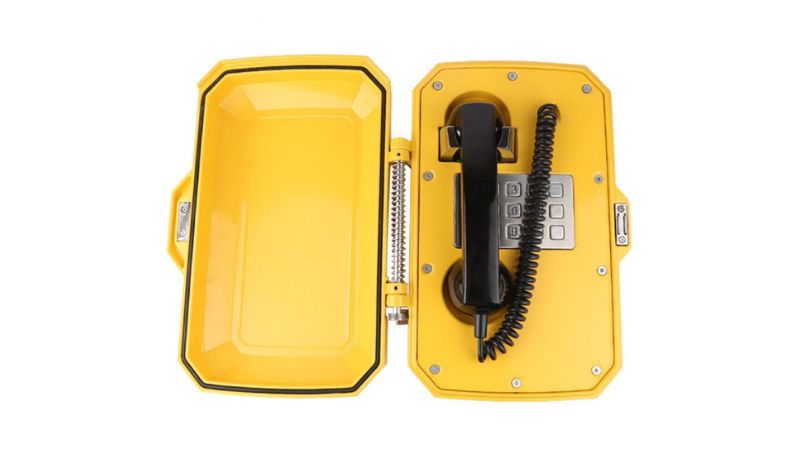
An industrial explosion-proof telephone uses a flameproof enclosure to contain any internal ignition. If a spark or arc occurs inside the unit, the housing prevents it from reaching the outside atmosphere.
Manufacturers build these enclosures from cast aluminum, stainless steel, or glass-reinforced polyester. These materials handle impact, vibration, and daily industrial use without cracking or warping.
Precision-machined joints play a key role. They cool and quench hot gases before they can exit the enclosure. Certified cable glands and sealed conduit entries also maintain the explosion-proof rating.
Most units carry certifications such as ATEX, IECEx, UL, or CSA, depending on the region. These approvals confirm the device meets strict standards for hazardous gas or dust zones found on oil rigs.
High ingress protection ratings like IP66 or IP67 help block water spray and dust. Tight sealing keeps salt mist and drilling residue from entering the enclosure.
Noise-Cancelling and Audio Clarity
Oil rigs produce constant noise from drilling equipment, pumps, and generators. An explosion-proof phone must cut through this background sound so workers can communicate clearly.
Many models use noise-cancelling microphones that reduce steady machine noise. The microphone focuses on the speaker’s voice and limits surrounding interference.
High-output receivers and speakers provide strong, clear sound. Some units include automatic gain control, which adjusts volume based on ambient noise levels.
Hands-free options support workers who wear gloves or protective gear. Large, sealed keypads and clearly marked buttons improve ease of use in urgent situations.
In emergency response, these functions are even more valuable as shielding worker reports from noise in accident sites ensures timely communication.
Corrosion and Weather Resistance
Oil rigs face salt spray, humidity, high winds, and wide temperature shifts. An explosion-proof telephone must also be weatherproof to resist corrosion and maintain its safety rating.
Manufacturers apply anti-corrosion coatings and use stainless steel hardware to prevent rust. Sealed surfaces reduce exposure to salt and moisture.
Many units operate in temperatures from sub-zero conditions to extreme heat. Internal components are built for long service life under constant vibration.
Weather-resistant handsets and armored cords add durability. These features protect the explosion-proof telephone from physical damage during heavy industrial use.
Strong corrosion and weather resistance help ensure the weatherproof telephone remains compliant and functional throughout its installed life on the rig.
Integration With Modern Oil Rig Communication Systems
Modern oil rigs use layered communication networks that connect field devices, control rooms, and emergency systems. An industrial explosion-proof telephone must fit into this structure without adding ignition risk or signal failure.
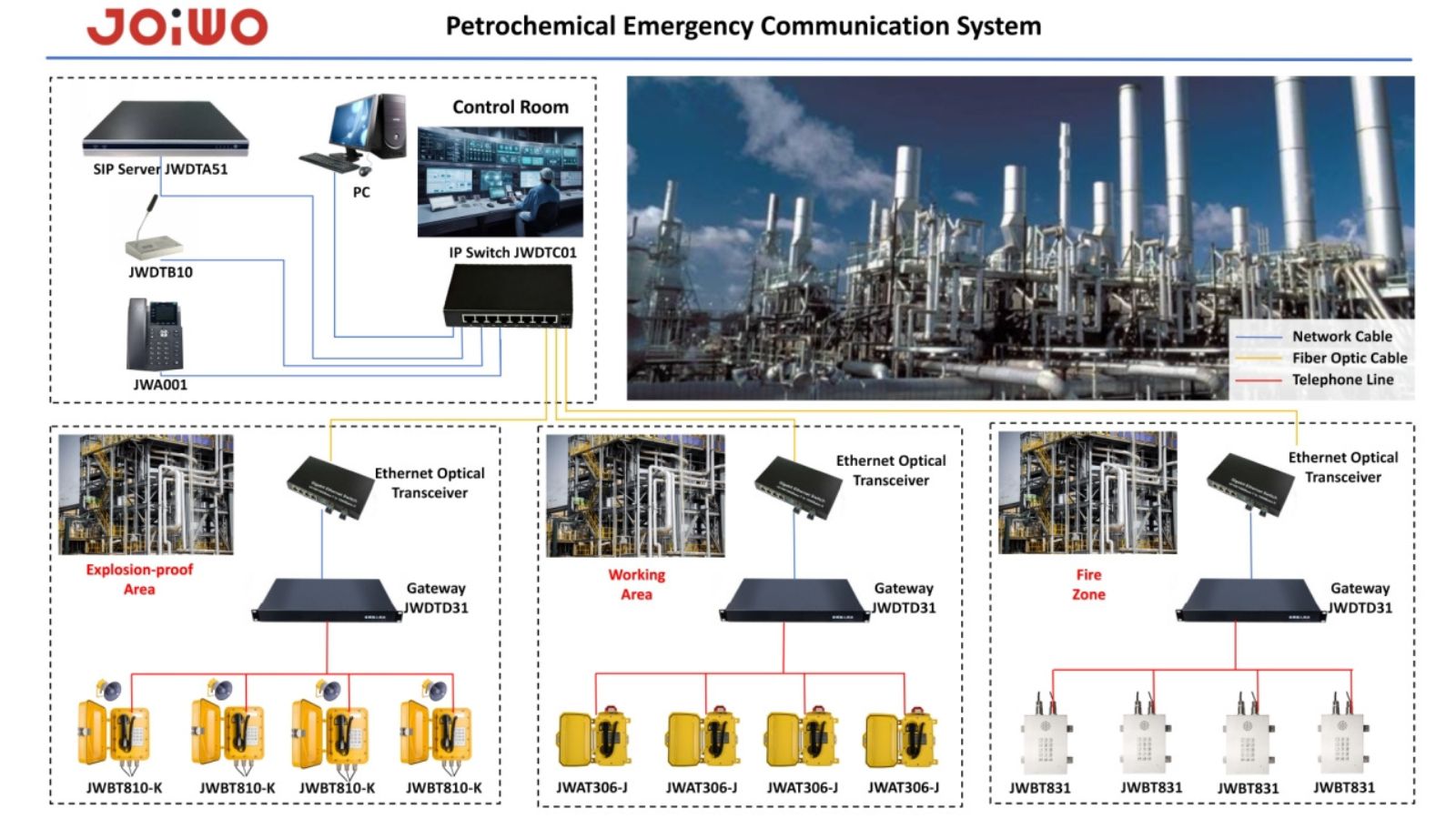
Analog, VoIP, and Digital Connectivity
Oil rigs still operate mixed networks. Many platforms use analog telephones for simple point-to-point voice communication because they are stable and easy to maintain.
An industrial explosion-proof telephone often supports analog output for direct link to a PBX or exchange. This setup works well in remote areas where bandwidth is limited.
At the same time, modern oil rig communication systems are capable of operating SIP/VoIP systems over fiber optic or Ethernet. This allows centralized call control, call logging, and routing between living quarters, drilling areas, and control rooms.
Digital connectivity also supports integration with:
- SCADA systems
- Network monitoring tools
- Call recording platforms
- Remote diagnostics
This structure improves oil & gas safety communication by giving supervisors clear visibility of call status and device health. It also reduces downtime through faster fault detection.
Linking to Emergency and PA/GA Systems
On an oil rig, communication must connect directly to emergency response tools. Explosion-proof telephones often link with PA/GA (Public Address/General Alarm) systems to support fast alerts.
When a worker lifts the handset or presses an emergency button, the system can trigger:
- Priority call routing to the control room
- Automatic alarm notifications
- Activation of warning beacons or horns
Some systems also allow broadcast paging through integrated loudspeakers in hazardous zones. This feature helps supervisors issue evacuation orders or safety instructions without delay.
Integration with alarm panels ensures that calls continue during power shifts through backup supplies. This design supports reliable oil & gas safety communication in high-risk areas where fast response reduces injury and equipment damage.