Электростанциям и электрическим подстанциям нужны системы связи, сохраняющие работоспособность рядом с турбинами, генераторами, трансформаторами, распределительными устройствами, на открытых площадках и в зонах обслуживания. Решение промышленной связи объединяет полевые телефоны, пункты аварийного вызова, диспетчерские рабочие места, серверы и оборудование громкоговорящего оповещения, позволяя операторам координировать работу и быстро реагировать на изменение условий.
Обычные коммерческие телефоны предназначены для офисов. На энергетических объектах оборудование подвергается воздействию шума механизмов, пыли, влаги, перепадов температуры, электромагнитных помех, вибрации и непрерывной эксплуатации. Проектирование подходящей системы связи электростанции начинается с условий в месте установки каждого оконечного устройства, после чего под задачу выбирают корпус телефона, акустическую конструкцию, интерфейс и сетевую архитектуру.
Почему коммерческие телефоны плохо подходят
Офисный телефон может обеспечивать разборчивую речь в тихом помещении, однако его пластиковый корпус, стандартная трубка и обычные крепления могут оказаться неподходящими рядом с электрическим и механическим оборудованием. Шум заглушает речь и звонок. Пыль и влага проникают через недостаточно защищённые стыки. Повторяющиеся удары, масло, вибрация и перепады температуры сокращают срок службы. Кабельные трассы также могут проходить через зоны сильных электромагнитных полей.
Промышленное оборудование рассчитано на такие условия благодаря более прочным корпусам, защищённым кабельным вводам, аудиокомпонентам с учётом шума, надёжным креплениям и вариантам монтажа для аналоговых или IP-сетей. При этом конкретные требования зависят от объекта. Для опасной зоны может потребоваться сертифицированное взрывозащищённое оборудование, а для открытой подстанции — прежде всего всепогодная и коррозионностойкая конструкция.
Потребности в связи по зонам энергетического объекта
| Зона | Операционная потребность | Типовое оборудование связи |
| Диспетчерская | Маршрутизация вызовов, диспетчеризация, сигнализация, запись и координация | Сервер IP-переговорной связи, операторская консоль, IP PBX, настольные телефоны |
| Зона оборудования | Быстрая связь рядом с генераторами, турбинами, котлами и распределительными устройствами | Промышленные или взрывозащищённые телефоны, световые и звуковые сигналы |
| Открытая подстанция | Связь в условиях дождя, пыли, солнечного света и перепадов температуры | Всепогодный промышленный телефон, защищённая соединительная коробка, аварийный телефон |
| Зона обслуживания | Громкая или прямая связь во время осмотра и ремонта | Аварийный телефон, защищённый переговорный аппарат, диспетчерский добавочный номер |
| Зоны по всему объекту | Трансляция инструкций по безопасности и аварийных объявлений | Усилитель громкоговорящего оповещения, рупорные громкоговорители, система сигнализации и речевой связи |
Диспетчерские
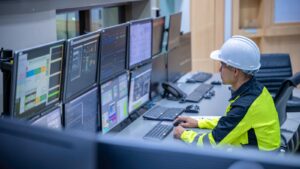
В диспетчерской полевые вызовы превращаются в согласованные действия. Операторы могут получать вызовы из турбинного зала, помещения распределительных устройств, открытой трансформаторной площадки или ремонтной мастерской. Система должна идентифицировать вызывающее устройство, задавать понятные правила приоритета, поддерживать перевод или групповые вызовы и показывать достаточно сведений о состоянии для принятия решения оператором.
Сервер IP-переговорной связи может управлять зарегистрированными устройствами, маршрутизацией, записью вызовов, диспетчерскими функциями и подключениями к другим системам. Для крупных объектов проект может предусматривать резервные сетевые маршруты, резервное питание, несколько операторских мест и отдельные направления аварийных вызовов. Эти функции следует проверять в реальном рабочем процессе диспетчерской.
Зоны оборудования
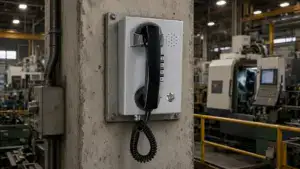
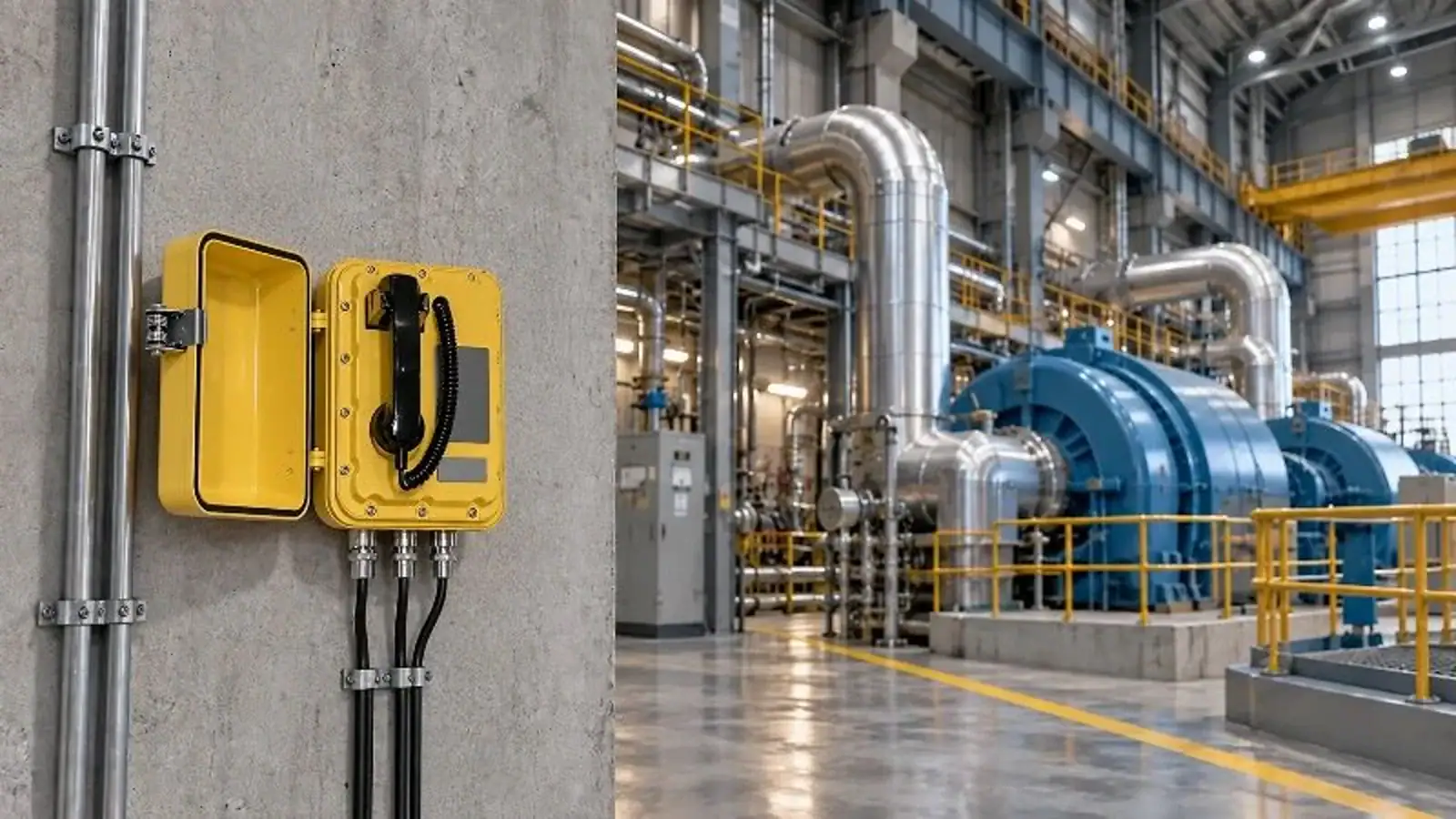
В машинных залах, турбинных зданиях, котельных зонах и электротехнических помещениях возможны постоянный механический шум и вибрация. Телефон электростанции в таких местах должен иметь прочную трубку, микрофон для сложных акустических условий и звонок либо световой индикатор, заметный персоналу. При возможном присутствии горючего газа или пыли оборудование должно соответствовать классификации зоны и требуемой сертификации.
Промышленный взрывозащищённый телефон с огнестойкой оболочкой JWBT810-2 предназначен для опасных промышленных сред с высоким уровнем шума. В официальной информации о продукте указаны литой алюминиевый корпус, герметичная оболочка, порошковое покрытие и работа от аналоговой телефонной линии с доступной версией SIP/VoIP. Перед заказом уточните конкретную сертификацию, температурный класс, способ подключения и зону установки для проекта.
Открытые подстанции
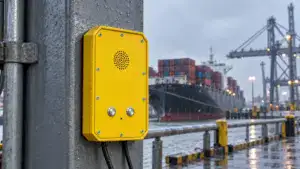
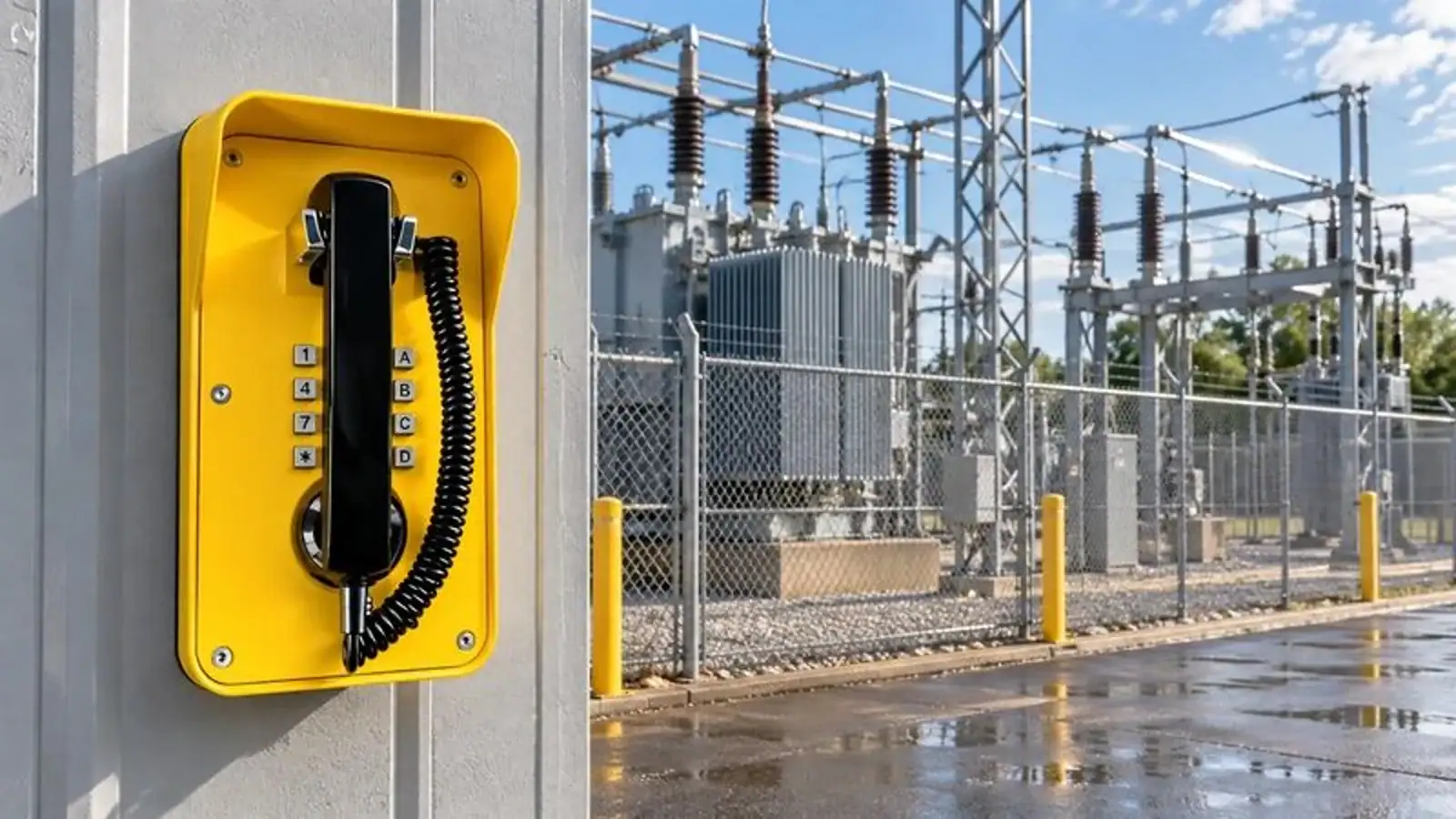
На открытых подстанциях оборудование связи подвергается воздействию дождя, пыли, солнечного света, влажности и сезонных перепадов температуры. Персоналу может понадобиться вызвать диспетчерскую в перчатках или находясь рядом с трансформаторами и коммутационным оборудованием. Всепогодный телефон должен быть заметным, надёжно закреплённым, устойчивым к ударам и защищённым от проникновения воды и пыли.
Аналоговый водозащищённый промышленный телефон для наружного использования JWAT316 имеет усиленный литой алюминиевый корпус, микрофон с шумоподавлением, приёмник, совместимый со слуховыми аппаратами, и дополнительный бронированный шнур. В информации о продукте электростанции и наружная аварийная связь указаны среди подходящих применений. Для расчёта предложения сообщите требуемую степень IP, температурный диапазон, место крепления, кабельную трассу, тип PBX и необходимость быстрого набора.
Зоны обслуживания
Ремонтным бригадам нужна связь во время осмотра двигателей, ремонта кабелей, проверки защитных систем или работы в ограниченных пространствах. Телефоном должно быть удобно пользоваться в перчатках и защитной одежде. Кнопка прямого вызова, громкая связь, заметный индикатор вызова или прочная трубка могут сократить число действий при срочной задаче.
Планирование обслуживания также влияет на совокупную стоимость владения. Стандартизированные крепления, сменные трубки и шнуры, доступные кабельные соединения, маркировка устройств и дистанционный мониторинг состояния сокращают время ремонта. Отделам закупок следует запросить сведения о запасных частях и определить процедуры регулярных проверочных вызовов до ввода системы в эксплуатацию.
Как работает система связи подстанции
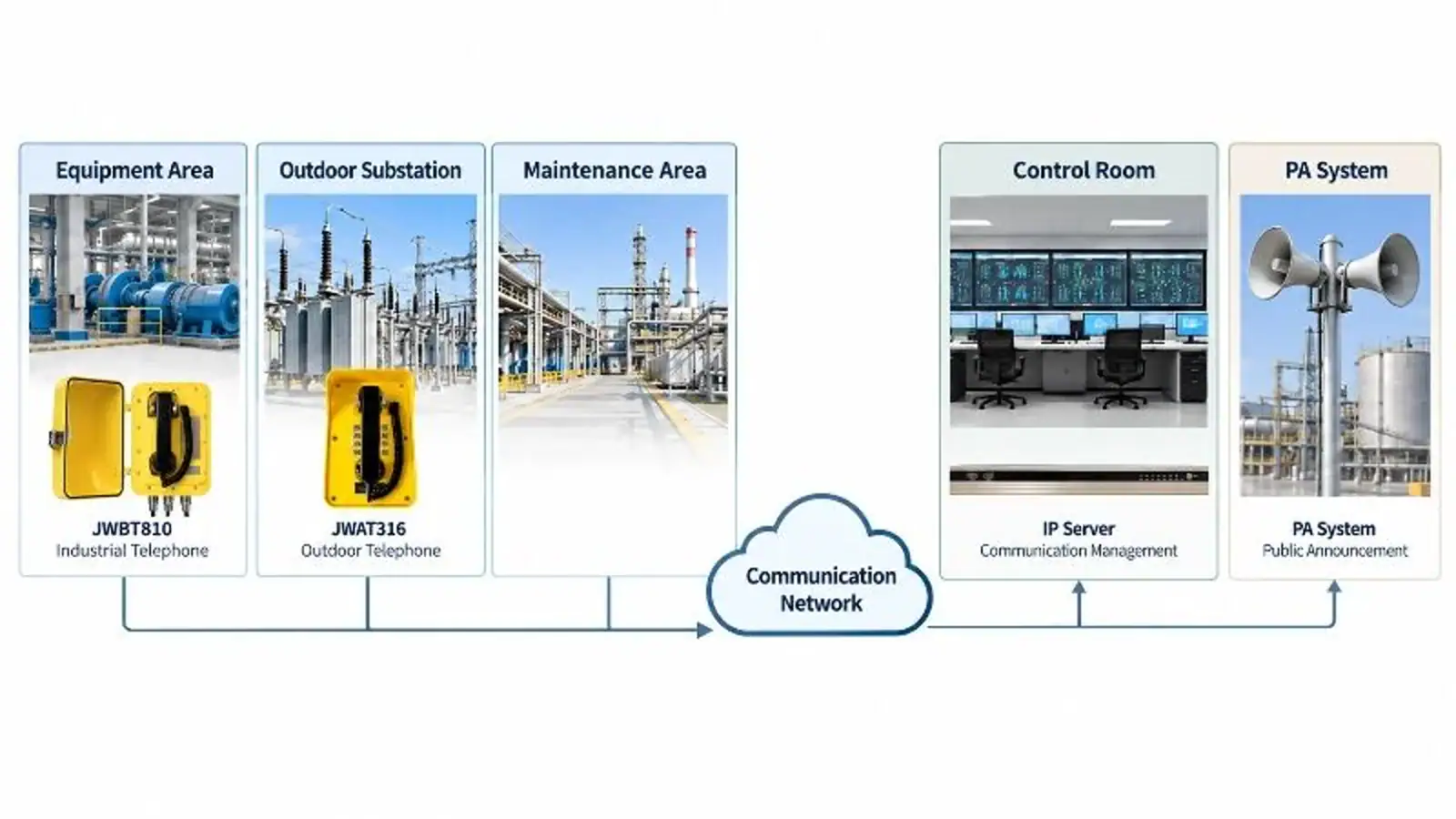
Система связи подстанции может объединять аналоговые телефоны, оконечные устройства SIP, шлюзы, IP-коммутаторы, переговорный сервер, операторские консоли и оборудование громкоговорящего оповещения. Аналоговые устройства подключаются к существующей PABX либо подходящему шлюзу. Устройства SIP регистрируются на IP-платформе и поддерживают централизованную маршрутизацию и мониторинг. Уровень интерфейсов необходимо спроектировать целенаправленно, чтобы для каждого устройства был определён маршрут к нужному оператору или получателю аварийного вызова.
Сервер IP-переговорной связи JWDTA51-50 описан как платформа на основе SIP для переговорной связи, трансляции, сигнализации, телефонных вызовов, записи, конференций и управления. При оценке для энергетического объекта уточните число зарегистрированных пользователей, одновременных вызовов, расположение операторов, хранилище, сетевые интерфейсы, резервирование и необходимую интеграцию со сторонними системами.
Аварийная связь и громкоговорящее оповещение
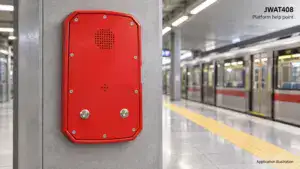
Аварийная связь электростанции должна обеспечивать прямой голосовой канал от полевого участка к постоянно обслуживаемому диспетчерскому месту. Вызов может определять местоположение, включать звуковое или световое оповещение и позволять оператору давать инструкции. Приоритетная обработка помогает аварийным вызовам доходить до оператора, когда обычные вызовы активны.
Оборудование громкоговорящего оповещения и общей сигнализации расширяет реагирование за пределы одного абонента. Диспетчерская может транслировать инструкции по эвакуации, предупреждения о переключениях, уведомления об обслуживании и сведения о процессе в выбранные зоны. Рупорные громкоговорители полезны на открытых площадках и в шумных зонах оборудования, а внутренние громкоговорители подходят для диспетчерских зданий и мастерских. Усилитель следует подбирать с учётом нагрузки громкоговорителей, длины кабеля, зонирования и требуемого уровня звука.
Например, аварийный телефон можно подключить к IP- или аналоговому интерфейсу, маршрутизировать через центральную платформу и связать с зоной громкоговорящего оповещения. Канал вызова и канал трансляции следует проверять по отдельности и совместно. Сервер или телефон не могут автоматически питать пассивный рупорный громкоговоритель без подходящего усилителя и интерфейса.
Основные приоритеты закупки
Шум и разборчивость речи
Измерьте фактическую акустическую среду. Турбинные залы, компрессорные, трансформаторные площадки и мастерские могут существенно различаться по характеру шума. Оцените характеристики микрофона, громкость приёмника и звонка, качество громкой связи, световые сигналы, акустические кожухи и возможность вызовов при использовании средств защиты слуха. Проверьте всю установку при характерном рабочем шуме.
Пыль, вода, температура и коррозия
Укажите материал корпуса, защиту от проникновения, ударопрочность, антикоррозионную защиту, рабочую температуру, влажность, воздействие ультрафиолета, кабельный ввод и тип крепежа. Нельзя считать внутренние зоны оборудования, открытые подстанции и опасные зоны одинаковой средой. Запросите документацию, соответствующую заказанной конфигурации.
Электрическая и сетевая совместимость
Уточните аналоговый режим или SIP, питание от линии или местного источника, требования PoE, тип шлюза, сетевой интерфейс, поддержку кодеков, экранирование кабелей, заземление и требования электромагнитной совместимости. На подстанциях проект связи должен учитывать электрические помехи и выбранную кабельную трассу. В зависимости от проекта могут подойти оптоволокно либо надлежащим образом защищённый и заземлённый медный кабель.
Доступность и поддержка на протяжении жизненного цикла
Оцените резервное питание, резервные серверы, альтернативные направления вызова операторов, контроль линий, передачу сигналов тревоги, запасные части, поддержку прошивок и доступ для обслуживания. Система связи должна оставаться понятной эксплуатационным и ремонтным бригадам, которые будут проверять и ремонтировать её многие годы.
Планируйте с учётом рабочего процесса объекта
Начните с обследования площадки и карты маршрутов вызовов. Отметьте диспетчерские места, зоны оборудования, открытые подстанции, зоны обслуживания, получателей аварийных вызовов и покрытие громкоговорящего оповещения. Затем подберите промышленный телефон, интерфейс, сервер и компоненты сигнализации или трансляции для каждого места. Такой подход создаёт систему связи электростанции, поддерживающую повседневную координацию и надёжный канал в экстренных ситуациях.
Планируете проект связи электростанции или подстанции? Свяжитесь с нами и сообщите условия установки, количество устройств, существующую телефонную систему, сетевую архитектуру и требования к громкоговорящему оповещению.