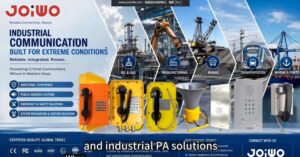
Harsh environment communication refers to the specialized network hardware, cabling, and design practices built to keep data flowing reliably under industrial hazards. Choosing equipment explicitly rated for the actual conditions on site is the single most significant factor in ensuring long-term network stability.
The sections below explore what damages industrial communication links, why off-the-shelf commercial hardware falls short, and how to build a resilient system that holds up over time.
How Environmental Stressors Disrupt Communication
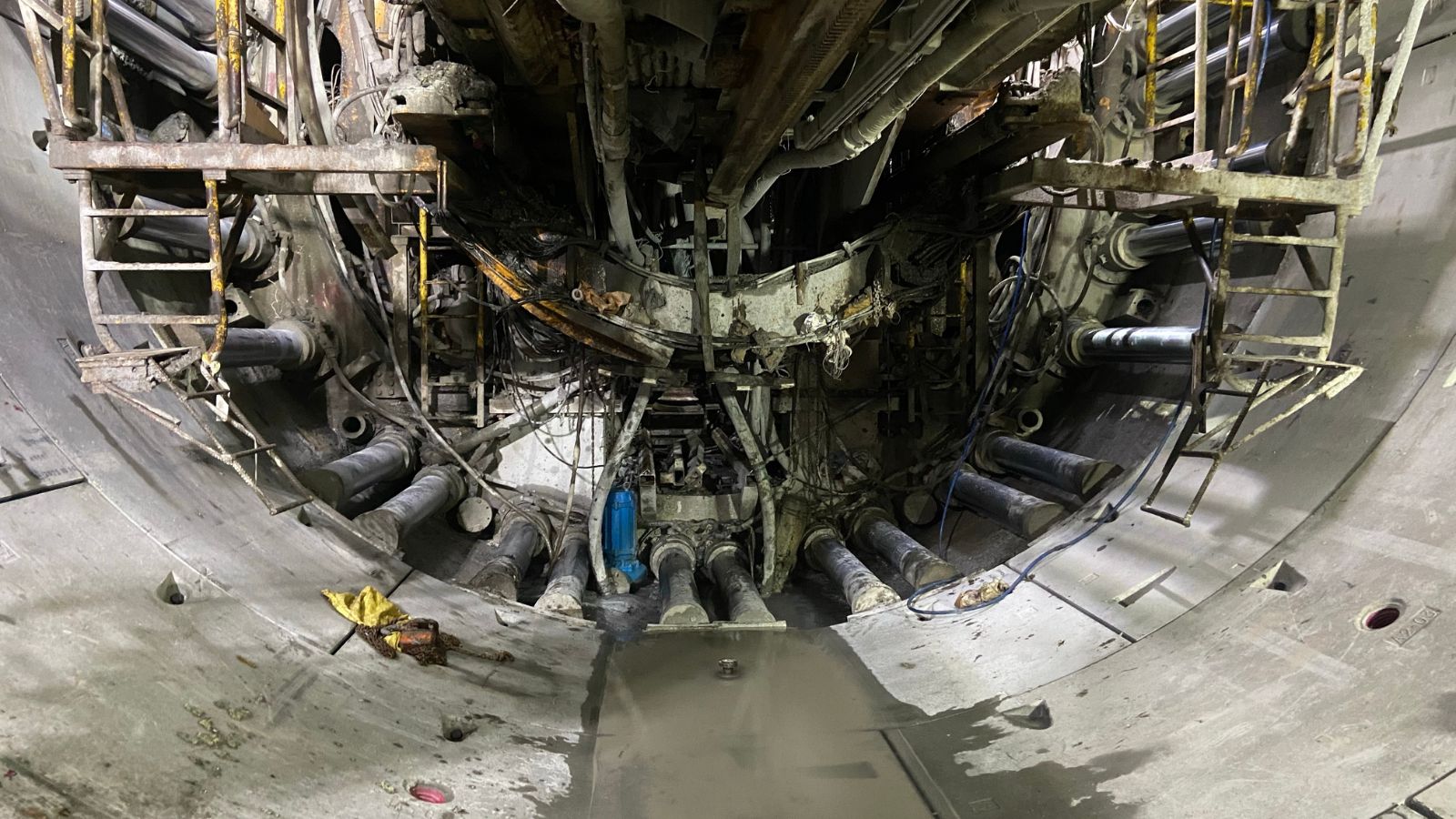
Environmental hazards are the primary cause of disruption in harsh environment communication. Each of these threats attacks data integrity in a different way, and most sites must manage multiple stressors simultaneously:
- Temperature Extremes: Heat makes cable jackets brittle and speeds up insulation breakdown. Conversely, cold makes plastic materials stiff and prone to cracking during flexing. Repeated temperature swings stress solder joints and connector seals over time.
- Corrosion, Moisture, and Chemicals: Humidity and chemical vapors attack metal contacts and circuit boards. This corrosion increases electrical resistance at connection points, gradually weakening signal strength.
- Dust and Water Ingress: Fine dust can work into connector housings and settle on optical fiber end faces, scattering light and reducing signal quality. Water ingress can cause immediate short circuits or rapidly corrode contacts.
- Vibration and Mechanical Wear: Motors, conveyors, and heavy machinery in environments such as assembly plants create constant low-level vibration that loosens connectors and fatigues solder joints. Sudden impacts can crack circuit boards, while cable jackets rubbing against structural steel will wear thin over time.
- Electromagnetic Interference (EMI): Variable frequency drives, welders, and heavy machinery generate electromagnetic noise that corrupts copper data signals. Poor grounding exacerbates this, allowing stray currents to damage equipment.
Why Commercial Hardware Is Not Enough
Standard LAN solutions are built for climate-controlled offices, not factory floors or outdoor equipment yards. Swapping in commercial gear because it is cheaper initially usually shifts costs to the future in the form of failures, downtime, and repeat maintenance trips.
Facilities running continuous processes, such as refineries or automated production lines, cannot tolerate unplanned network outages. A single connector failure can halt a production line or interrupt vital safety monitoring.
Selecting the Right Transmission Medium and Network Design
The choice of transmission medium and communication protocol dictates how well your network survives. Getting the network design right upfront prevents costly rework when implementing mission-critical industrial communication systems like SIP-based intercoms or industrial PA systems.

Fiber Optics vs. Copper for Industrial Telephones
Copper cabling carries electrical signals, making it vulnerable to EMI near heavy machinery. However, many modern ruggedized VoIP telephones and IP intercoms utilize shielded CAT6 or fiber optic links (via media converters) to ensure immune, crystal-clear voice communication even in electrically noisy plants.
SIP-Based Systems and VoIP Integration
Transitioning from legacy analog lines to modern VoIP and SIP-based networks allows for easier integration with central control rooms. This enables features like speed dialing for emergency response and seamless integration with industrial PA systems across large campuses.
Backup and Redundancy
Implementing redundant network paths ensures that life-saving communication channels—such as emergency call points and dispatch systems—keep functioning even if a primary cable run is damaged.
Purpose-Built Communication Products for Harsh Environments
True harsh environment communication relies on specialized hardware designed to survive explosions, water, and extreme physical abuse.
- Explosion-Proof Telephones: In hazardous locations with flammable gases or combustible dust (Zone 1/Zone 2), explosion-proof telephones are mandatory. These units feature specialized housings that contain any internal sparks, preventing them from igniting the surrounding atmosphere.
- Weatherproof and Vandal-Resistant Intercoms: For outdoor applications like tunnels, highways, or public kiosks, communication devices face rain, extreme temperature swings, and potential vandalism. Stainless steel housings, sealed keypads, and heavy-duty handsets ensure these units remain operational for emergency dispatch and public safety.
- Hands-Free and PA Systems: In environments where workers must wear thick gloves or keep their hands free (such as hospitals or offshore platforms), hands-free industrial telephones and integrated Public Address (PA) systems ensure critical instructions and emergency alarms are broadcasted clearly and immediately.
Application Requirements Across Critical Sectors
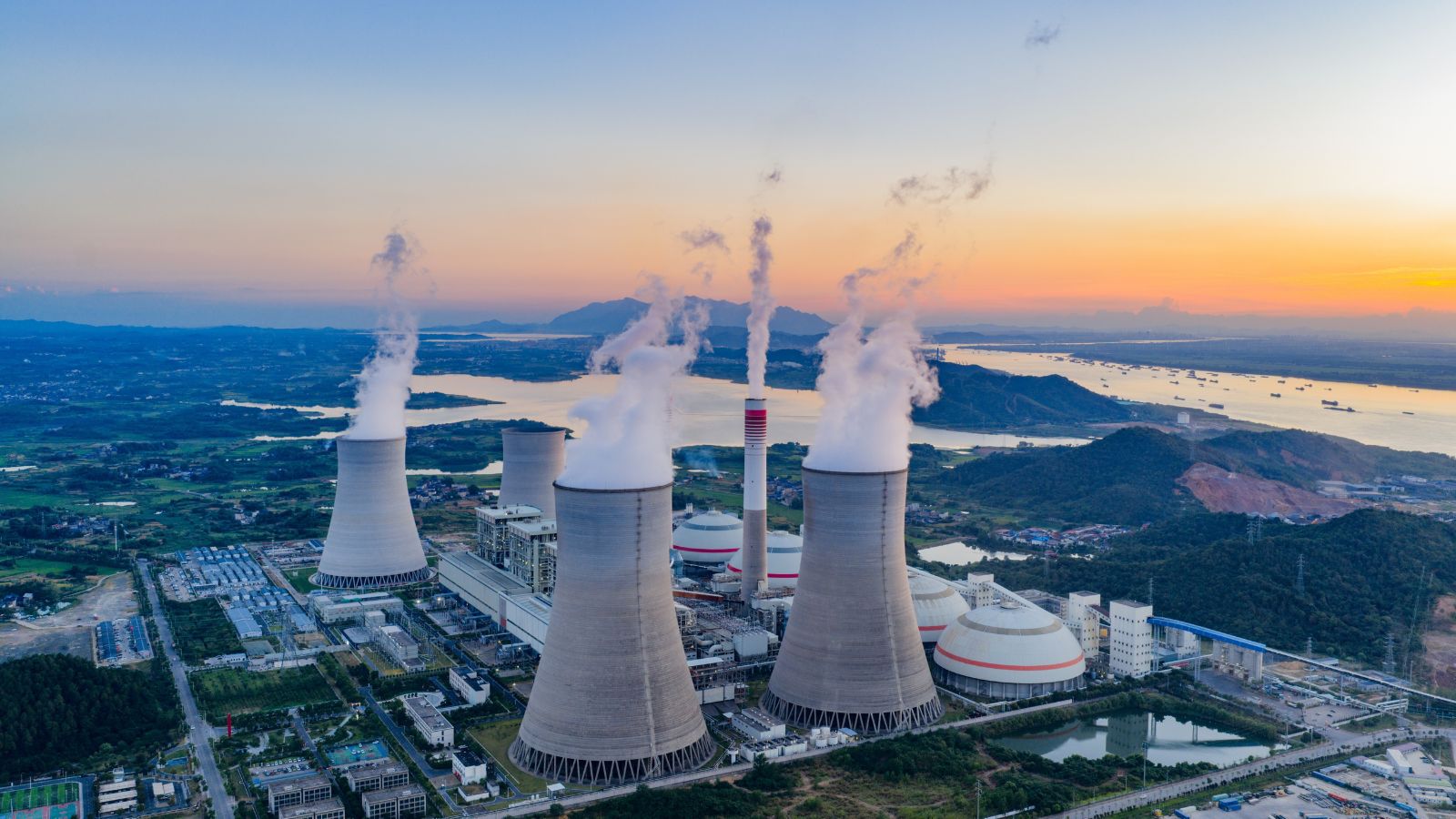
Different industries push harsh environment communication solutions to their limits in unique ways. Manufacturers like Joiwo provide tailored solutions designed for the specific physical stresses of these sectors:
- Nuclear Power and Energy Facilities: These sites require fail-safe communication for plant operators and emergency response teams. Explosion-proof and ruggedized telephones are installed in hazardous production areas to ensure stable voice transmission while meeting strict industrial safety requirements.
- Offshore Wind Power and Marine: Offshore substations and turbine platforms deal with extreme marine corrosion, wind, and explosive risks. Communication systems here rely on certified explosion-proof protection and corrosion-resistant construction to keep maintenance crews connected.
- Tunnels, Highways, and Underground Utilities: Road tunnels and underground pipeline corridors are notoriously difficult environments. Weatherproof emergency telephones and dispatch systems are installed at safety locations to provide dependable communication between tunnel users, maintenance personnel, and traffic control centers.
- Healthcare and Public Safety: From outdoor public kiosks to medical sanatoriums, these environments require reliable, often hands-free communication. Vandal-proof stainless steel telephones and hands-free intercoms improve workflow efficiency and accelerate emergency response in critical corridors and nursing stations.
Deployment and Lifecycle Practices
A well-designed industrial communication network can still fail if installed or maintained poorly. Protecting voice and data integrity over the system’s full life requires strict operational procedures, starting long before the equipment is bolted to the wall.
Site Assessment and Environmental Ratings
Walk the site thoroughly before purchasing any hardware. It is critical to note specific temperature ranges, moisture exposure, and potential explosion risks. This careful evaluation ensures you select the exact ATEX/IECEx ratings required for explosion-proof phones or the appropriate IP66/IP67 ratings for weatherproof units, rather than relying on guesswork.
Installation, Testing, and Commissioning
Once the hardware is deployed, visual inspection is simply not enough. Every SIP telephone, junction box, and PA speaker must be individually tested under real-world conditions. This includes verifying network registration, checking voice clarity, and ensuring speaker volume levels are powerful enough to be heard over actual ambient plant noise.
Preventive Maintenance and Fault Response
Routine checks are the best defense against unexpected downtime. Scheduled inspections help maintenance teams catch damaged handset cords, compromised waterproof seals, and early signs of corrosion before they cause full communication outages.
Long-Term Reliability
Finally, facilities must maintain a clear fault response plan. Keeping spare industrial-grade parts on hand and establishing known escalation contacts significantly shortens downtime when failures do occur, ensuring that mission-critical communication is restored swiftly.
Need a High-Quality Communication System for Your Facility?
Getting harsh environment communication right takes real experience, not just a spec sheet. Since 2011, Ningbo Joiwo has specialized in designing and manufacturing integrated industrial communication and safety systems. Whether you need ATEX/IECEx certified explosion-proof telephones, SIP-based intercoms, or complete PA systems, we offer customized solutions backed by an independent manufacturing facility and a 2-year standard warranty.
Don’t let commercial gear put your continuous operations at risk. Contact Joiwo’s engineering team today to discuss your site-specific requirements and build a communication infrastructure that truly lasts.
Frequently Asked Questions
What exactly is harsh environment communication?
Harsh environment communication refers to the deployment of specialized network hardware—such as explosion-proof telephones, weatherproof intercoms, and ruggedized cables—designed to operate reliably in extreme conditions. Unlike standard commercial gear, these systems are built to withstand high temperatures, moisture, corrosive chemicals, heavy vibration, and even explosive atmospheres without compromising voice or data transmission.
Why can’t I just use standard VoIP phones in an industrial setting?
Standard commercial phones are designed for climate-controlled, dry, and clean offices. If placed in an industrial setting, dust, moisture, and temperature swings will quickly corrode internal components, leading to frequent failures. More importantly, in hazardous areas like oil rigs or chemical plants, standard electronics can create tiny sparks that might ignite flammable gases. Certified industrial and explosion-proof telephones are explicitly engineered to prevent these catastrophic hazards while ensuring zero downtime.
Can rugged industrial telephones integrate with modern digital networks?
Yes. While devices like Joiwo’s industrial telephones feature heavy-duty, old-school physical durability (such as stainless steel housings and armored cords), their internal technology is highly advanced. Most modern harsh environment communication devices support SIP and VoIP protocols, allowing them to seamlessly integrate with your facility’s existing IP network, central control rooms, and Public Address (PA) systems.