Selecting the right industrial telephone manufacturer is a complex procurement decision. The core question is whether their engineering depth, certification scope, manufacturing control, and support structure can sustain the communication system across its full operational life.
This guide will serve as a criteria analysis for engineers, project buyers, and system integrators who need sharper tools for choosing manufacturers. It outlines a structured approach from defining project needs to evaluating long-term supplier capabilities.
Defining Project Needs & Product Fit
Before choosing the suppliers, you should first clarify project needs, as matching the right device to the right environment is essential.

Matching Equipment to Site Conditions
Hazardous Area Needs
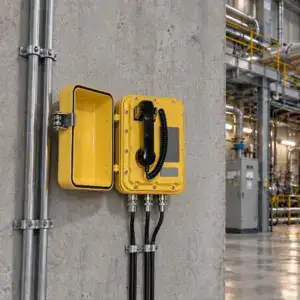
In oil, gas, petrochemical, and mining environments, telephones must operate safely amidst flammable gases or combustible dust.
Zone classification dictates protection concepts: Zone 1 and Zone 2 for gas atmospheres, and Zone 21 and Zone 22 for dust. A product listed as ATEX-certified is useless if its certificate only covers Zone 2 when the site is Zone 1.
Always confirm the equipment group, temperature class, and gas group on the original certificate.
Outdoor Installations & Washdown Protection
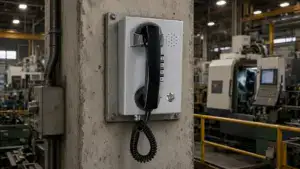
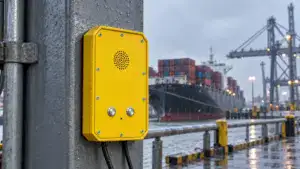
For non-hazardous outdoor areas, ingress protection is key. IP65 ensures the enclosure is dust-tight and handles low-pressure water jets, while IP66 adds resistance to high-pressure washdowns found in food processing or marine decks.
Housing material matters significantly; aluminum alloy die-cast enclosures handle thermal cycling and mechanical impact much better than plastics.
Public Safety & Vandal Resistance
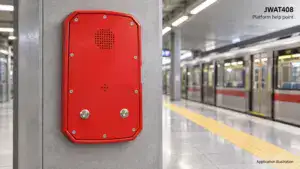
In tunnels, transit stations, and prisons, emergency telephones face extreme noise and physical abuse. These settings require high-output speakers, noise-canceling microphones, and hearing-aid compatibility.
Vandal-resistant models feature armored cords and tamper-proof hardware. Public-facing emergency telephones must carry high impact ratings, specifically IK10, which guarantees resistance to 20 joules of impact energy.
Communication Platforms and System Compatibility
The communication platform underlying an industrial telephone system shapes everything from wiring infrastructure to long-term scalability.
- Analog telephone systems remain highly relevant in older facilities with existing copper wiring, remote locations, or underground environments lacking data infrastructure.
- Conversely, SIP-based VoIP telephone systems offer central management, remote diagnostics, and seamless integration with IP PBX platforms.
- For multi-zone sites, the intercom must connect gate access, security posts, and control rooms. Systems need to coexist on the same network infrastructure without interference, maintaining segregated call routing and priority escalation during emergencies.
Evaluating Core Manufacturer Capacities
A capable manufacturer or supplier demonstrates engineering competence, documented integration experience, and the ability to configure solutions around specific site requirements.
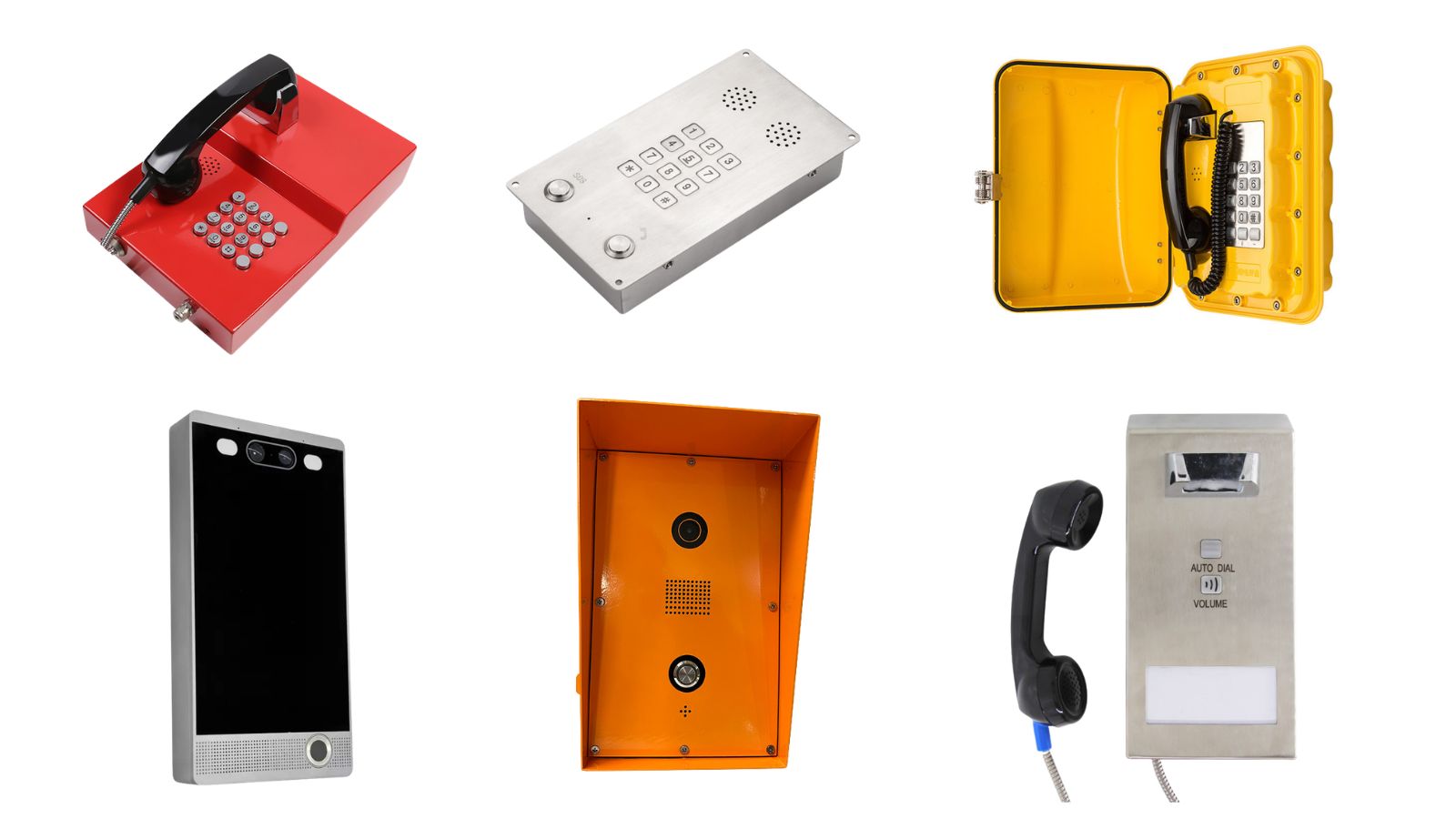
Core Capabilities Beyond Basic Assembly
The meaningful bar for an industrial telephone manufacturer is building a device for demanding conditions consistently, at scale, with traceable quality controls.
This requires genuine engineering capability that involves self-owned design software environments and structural simulations before production.
Look for suppliers who maintain dedicated R&D teams—a supplier with an engineering team working on PCB design and acoustic performance is vastly superior to one merely assembling sourced parts.
Product Breadth and Integration Expertise
A supplier manufacturing only one product category forces buyers to manage multiple vendors. Complex deployments require explosion-proof phones, weatherproof units, emergency dispatch systems, and VoIP endpoints working seamlessly together. Suppliers like Joiwo cover this breadth, ensuring shared interfaces and consistent acoustic specs.
Furthermore, a company that builds devices but has never deployed a complex intercom and paging network will struggle during commissioning. Integration-experienced suppliers can expertly advise on failover routing and SCADA system interfaces.
How Manufacturing Depth Affects Reliability
Manufacturing depth defines how much production happens under one roof with direct engineering oversight. Deep manufacturers control injection molding, die-casting, hardware stamping, and laser cutting, ensuring tighter tolerances and faster tooling changes.
For instance, Joiwo’s 20,000 sqm factory utilizes automated equipment like injection molding machines and laser cutting systems. This depth is also crucial for OEM and ODM readiness, ensuring flexible production and documented technical agreements before mass production.
Quality Assurance & Certifications
Certifications tell buyers a product has been tested against a standard, but the overarching quality system governs the entire production chain’s reliability.
Management System Standards
- ISO 9001:2015 is the foundation, requiring mapped processes, defined controls, and management reviews.
- ISO 14001 and ISO 45001 extend this framework to environmental and occupational health and safety.
When auditing suppliers, demand to see process maps and nonconformance records. A supplier failing to produce these quickly holds a certification in name only.
Product Certifications for Hazardous and Global Markets
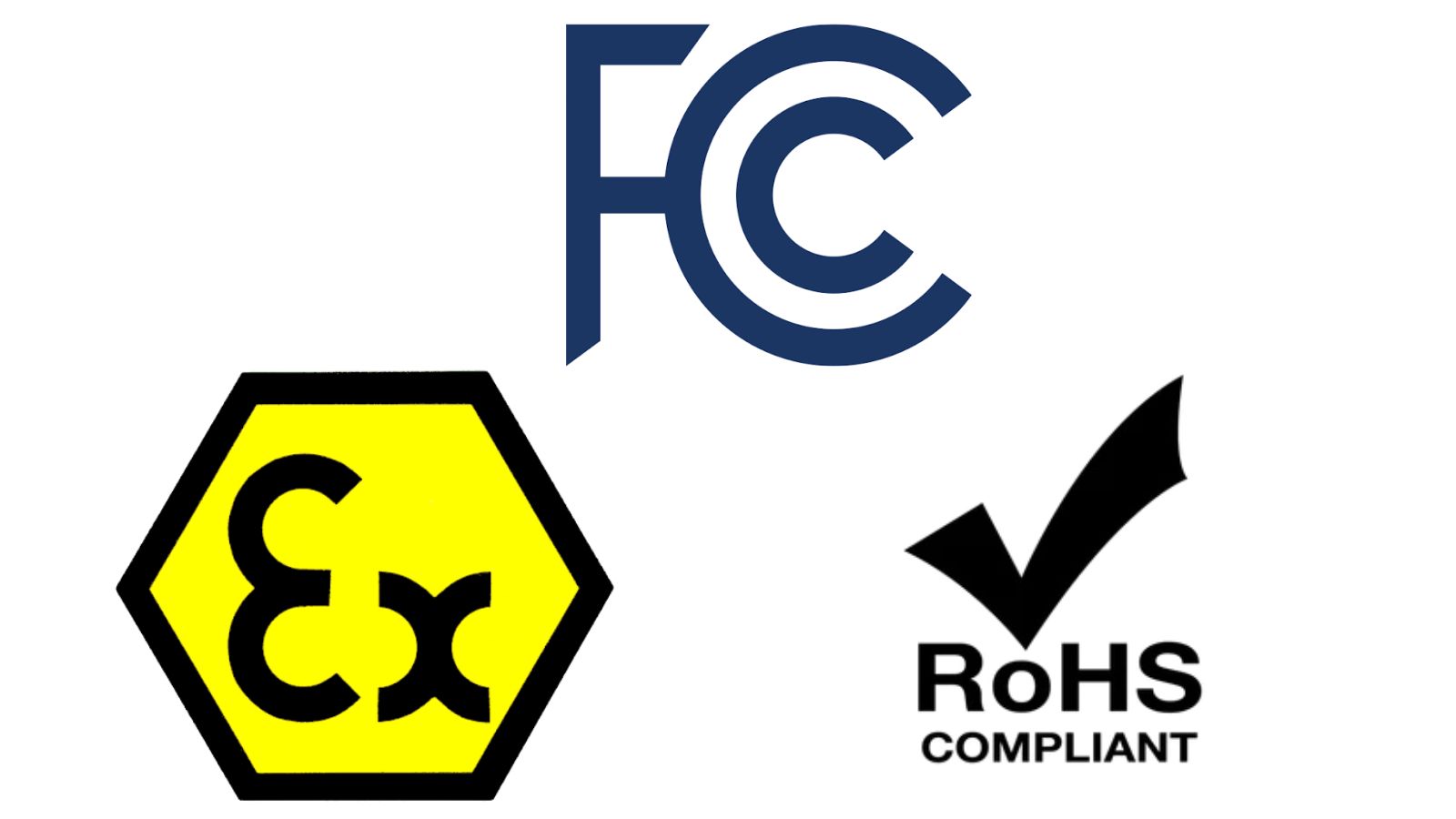
Specific product-level certifications define approved environments and markets. Always verify that certificates are current and match the exact product model:
- ATEX: EU directive for equipment in explosive atmospheres.
- IECEx: International scheme for hazardous area equipment.
- UL: Underwriters Laboratories certification for US market safety compliance.
- FCC: Required for electronic devices operating in the US.
- CCC: China Compulsory Certification, relevant for products manufactured in China.
- RoHS: Restriction of hazardous substances, required for many export markets.
Additionally, top-tier manufacturers conduct 100% functional testing, run burn-in stress tests to catch early-life failures, and maintain strict unit traceability via unique serial numbers linked to production batches.
Lifecycle Value & After-Sales Support
Telephone solutions deployed in industrial environments often run for 10 to 15 years. A manufacturer’s response capability during a field failure reveals more about their maturity than their pre-sale marketing.
Quotation Speed and Technical Support
Quotation speed is a sign of organizational readiness. A manufacturer providing a technically complete quote within two hours demonstrates an efficient sales engineering process.
When systems go down, a 24-hour response commitment for warranty claims and direct engineering support (via phone, email, or video) is a reasonable baseline expectation.
Maintenance and Long-Term Service
Evaluating after-sales service over a 15-year lifecycle is critical. Buyers must ask suppliers about long-term spare parts availability. If a keypad fails in year seven, the manufacturer must still supply the component.
Furthermore, clear technical documentation, wiring diagrams, and configuration guides dramatically reduce the cost of field maintenance and troubleshooting.
Decision Tools
Before sending an RFQ, buyers benefit from building a structured comparison framework. Request documentation for each of these criteria; capable manufacturers will produce it readily, while vague answers signal high procurement risk.
Use the following checklist to evaluate potential suppliers during your RFQ process.
Partner with Joiwo – a Leading Industrial Telephone Manufacturer
With deep engineering capability, globally recognized certifications, and long-term support built into both products and processes, Joiwo helps procurement and engineering teams reduce integration risk, protect site safety, and keep critical communications running reliably for years.
- Wide product range for system-level consistency: Our products catalog spans categories including weatherproof telephones, ex-proof and vandal resistant telephones, and more endpoint units and system components for multi-zone and multi-function deployments under one vendor.
- Factory with in-house processes: Support consistency and customization at scale.
- Global compliance portfolio: Including ATEX, CE, ISO 9001/14001/45001, and RoHS.
- Faster commercial response: Quotes can be issued within 2 hours after receiving requirements.
- Support & reliability commitments: 2-year warranty and 24-hour response for quality issues.
Explore custom industrial phone and IP telephone solutions at Joiwo.com—tell us your site conditions and our team will help you specify the right devices, certifications, and deployment architecture for a reliable long-life system.