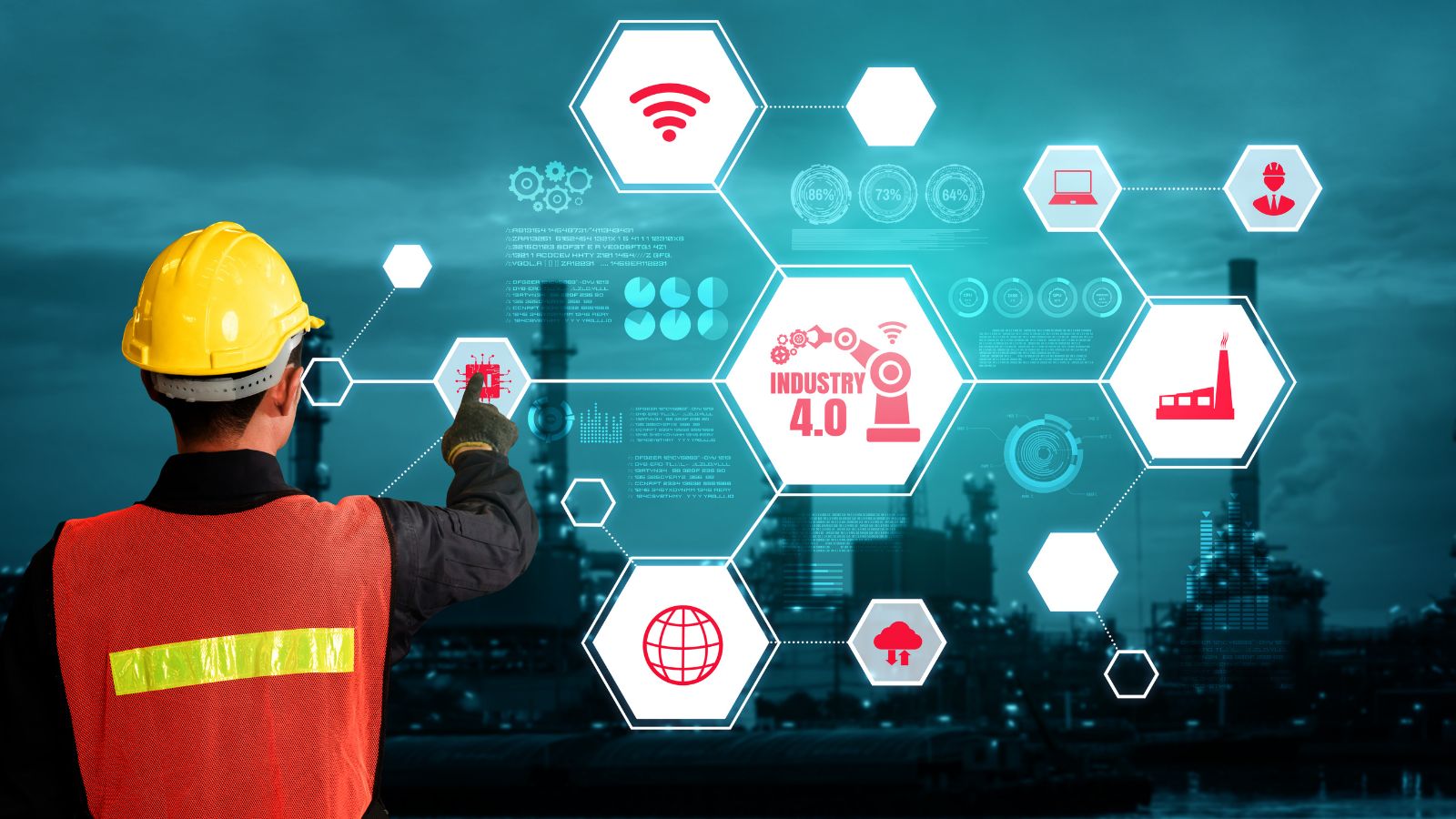
Las redes de comunicación de la Industria 4.0 permiten que máquinas, sensores y personal intercambien información en tiempo real. Al superar las configuraciones heredadas de la tercera revolución industrial y la producción en masa tradicional, esta tecnología clave está destinada a transformar por completo el sector industrial. Al conectar directamente los equipos de planta con el software ERP y los sistemas de despacho, las fábricas pueden responder de inmediato a los cambios.
La fabricación inteligente requiere algo más que automatización. Las fábricas modernas solo prosperan cuando máquinas, sistemas de control y personas se interconectan sin problemas. Aunque las tecnologías digitales acaparan la atención, la infraestructura física de comunicaciones—el cableado, los protocolos y los terminales de hardware— es la que realmente impulsa la productividad general.
Este artículo analiza cómo la conectividad moderna aporta una visibilidad profunda de los procesos industriales y ayuda a planificar la actualización de hardware antiguo a sistemas de comunicación modernos.
Las comunicaciones como base de la fabricación inteligente
Los sistemas de comunicación industrial coordinan las operaciones de varias líneas de producción. El intercambio de datos entre los equipos, un controlador central y los operadores proporciona información clara mediante un análisis de datos fiable.
El ciclo de datos de lo físico a lo digital
Los sistemas ciberfísicos funcionan mediante un ciclo continuo de tres pasos:
- Generación de señales: Un evento físico en la planta se convierte en una señal digital.
- Procesamiento: Un sistema central recibe los datos y toma una decisión.
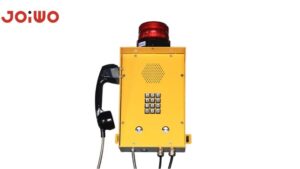
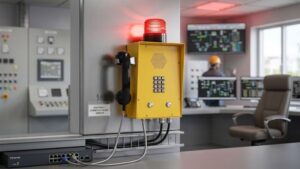
- Acción: Una orden vuelve al campo y llega a un actuador o sistema de alerta PAGA.
Para optimizar este proceso, la red necesita una latencia ultrabaja y una fiabilidad estricta. Una interrupción en cualquier punto de la cadena, ya sea una conexión defectuosa o un fallo de hardware, altera todo el ciclo y provoca costosos tiempos de inactividad en lugar de maximizar el tiempo de funcionamiento de las máquinas.
Convergencia de TI y TO
- Los equipos de tecnología de la información (TI) gestionan tradicionalmente la seguridad de los datos, la ciberseguridad y las redes locales.
- Los equipos de tecnología operativa (TO) gestionan las máquinas, la robótica y la seguridad física.
Una transformación digital satisfactoria requiere que ambos grupos trabajen sobre una infraestructura compartida. Las plantas que consideran la convergencia de TI y TO como un esfuerzo continuo de coordinación suelen tener menos conflictos de red.
Capas de red y selección de protocolos industriales
Los protocolos de comunicación definen las reglas para el intercambio de datos entre dispositivos. La elección de la infraestructura adecuada para el Internet industrial de las cosas (IIoT) depende de la velocidad, la distancia y las exigencias ambientales de cada aplicación.
De los sistemas heredados a Ethernet industrial
Las fábricas antiguas solían depender de estándares serie heredados para conexiones de baja velocidad. Hoy, la integración de nuevas tecnologías requiere protocolos Ethernet industrial capaces de gestionar el gran ancho de banda del Internet de las cosas (IoT). Estas redes modernas aportan la velocidad de Ethernet al control de fábrica y mantienen una temporización predecible.
Al elegir el hardware de red, la durabilidad física es tan importante como la velocidad. Las instalaciones deben asegurarse de que sus switches, cables y terminales de comunicación cumplan las normas de conformidad para zonas peligrosas adecuadas para evitar chispas y resistir temperaturas extremas o polvo.
Coordinación, análisis y alertas en tiempo real
Una comunicación robusta permite que los sistemas de producción, despacho y seguridad trabajen con la misma información actualizada en tiempo real. Mientras las redes de sensores supervisan el hardware, los sistemas de voz gestionan el factor humano y el software avanzado procesa big data.
Apoyo a operaciones y mantenimiento de alta tecnología
El hardware robusto es la base física necesaria para respaldar análisis de datos avanzados. Una red sólida y continua permite diversas iniciativas de alta tecnología:
- Mantenimiento predictivo: Los algoritmos basados en aprendizaje automático que detectan fallos de los equipos con antelación requieren un flujo constante de datos.
- Gemelos digitales: Crear una réplica virtual de la planta requiere reproducir los activos físicos en tiempo real.
- Eficiencia energética: La comunicación centralizada garantiza que las máquinas consuman energía y funcionen solo cuando sea necesario.
Comunicaciones de voz y sistemas de megafonía
No todas las necesidades de comunicación de una planta se resuelven mediante estos paneles de alta tecnología. Los avisos por voz y los sistemas de megafonía siguen siendo la forma más práctica de llegar simultáneamente a todos los trabajadores de una planta ruidosa.
Un supervisor puede emitir de inmediato una orden de parada de emergencia o una alerta de seguridad por megafonía. Muchos diseños de instalaciones integran ahora los avisos por voz en la misma infraestructura de red que transporta los datos de sensores y control, mediante sistemas de megafonía IP en lugar de cableado analógico independiente. Para que estas alertas críticas no fallen, las instalaciones deben priorizar el mantenimiento periódico del sistema de comunicación.
Prioridades de implementación para una fábrica segura e interoperable
Antes de que la conectividad integral ofrezca resultados fiables, es necesario evaluar los equipos actuales, planificar el crecimiento futuro y proteger la red.
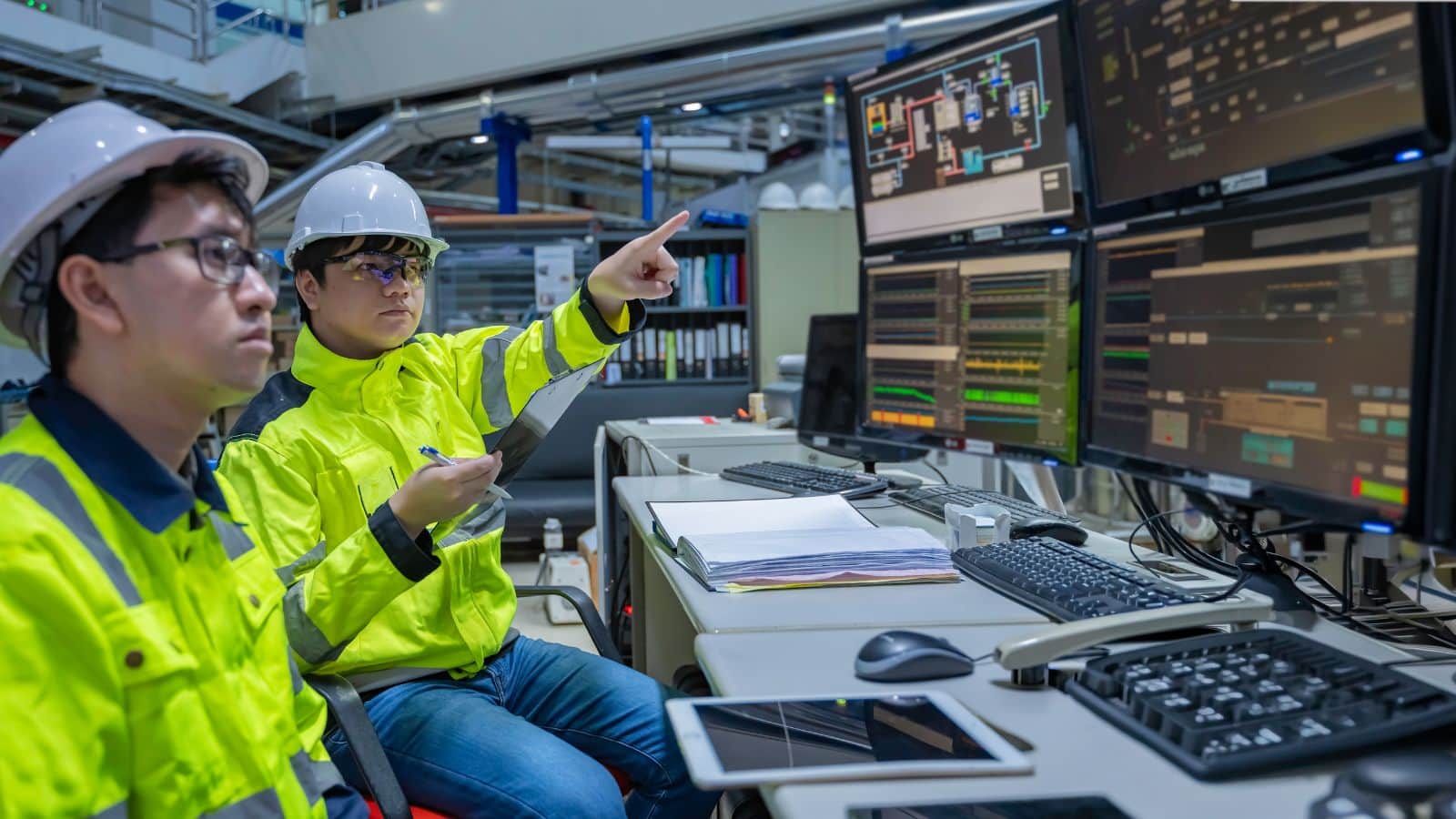
Evaluación de activos heredados y brechas de conectividad
Todas las plantas combinan equipos nuevos y antiguos. El primer paso práctico es determinar qué máquinas y terminales ya admiten comunicación digital. A menudo, los sistemas analógicos antiguos pueden integrarse en redes IP modernas mediante gateways SIP. Este enfoque conserva los equipos robustos que siguen funcionando y los incorpora a la red modernizada.
Diseño para la escalabilidad y la seguridad
Una red diseñada para el número actual de dispositivos suele tener dificultades cuando una planta añade más líneas. Planificar capacidad adicional evita rediseños costosos. La interoperabilidad entre los modernos sistemas de comunicación industrial SIP es tan importante como la capacidad bruta y permite que distintos terminales se comuniquen sin problemas.
Por último, conectar más dispositivos de campo a una red compartida aumenta el riesgo cibernético. La segmentación de red —que mantiene separadas las comunicaciones de seguridad pública y el control de máquinas de las redes empresariales generales— es una práctica habitual. Comprender cómo funcionan estos sistemas en zonas sensibles garantiza que la modernización no se haga a costa de la seguridad.
¿Está listo para actualizar las comunicaciones de su fábrica inteligente?
Desde 2011, Ningbo Joiwo es un fabricante líder de sistemas integrados de comunicación y seguridad industrial. Tanto si necesita terminales antideflagrantes, sistemas de megafonía IP o soluciones completas de despacho de emergencia, nuestra fabricación propia garantiza una calidad fiable para los entornos más exigentes.
[Póngase hoy mismo en contacto con nuestro equipo de ingeniería] para hablar de un sistema de comunicación personalizado para su transformación hacia la Industria 4.0.
Preguntas frecuentes
¿Se pueden integrar los sistemas de comunicación industrial modernos con equipos de fábrica heredados?
Sí. A menudo, los equipos analógicos antiguos y las máquinas heredadas pueden integrarse en redes IP modernas mediante gateways SIP y convertidores de protocolo. Así es posible modernizar la instalación sin desechar el hardware que todavía funciona.
¿Sus productos de comunicación son aptos para entornos industriales peligrosos?
Sí. Joiwo está especializada en hardware de comunicación robusto, incluidos teléfonos antideflagrantes certificados ATEX/IECEx, terminales resistentes a la intemperie e intercomunicadores de alta resistencia, diseñados para sectores industriales exigentes y peligrosos.
¿Fabrican sus propios equipos o solo los revenden?
Fabricamos nuestros propios equipos. Joiwo opera una instalación de 20,000 metros cuadrados equipada con máquinas avanzadas de moldeo por inyección, fundición a presión, corte por láser y punzonado para mantener un estricto control de calidad de nuestros productos.